What Causes Joint Pain? Understanding Chronic Pain and Ways to Manage It

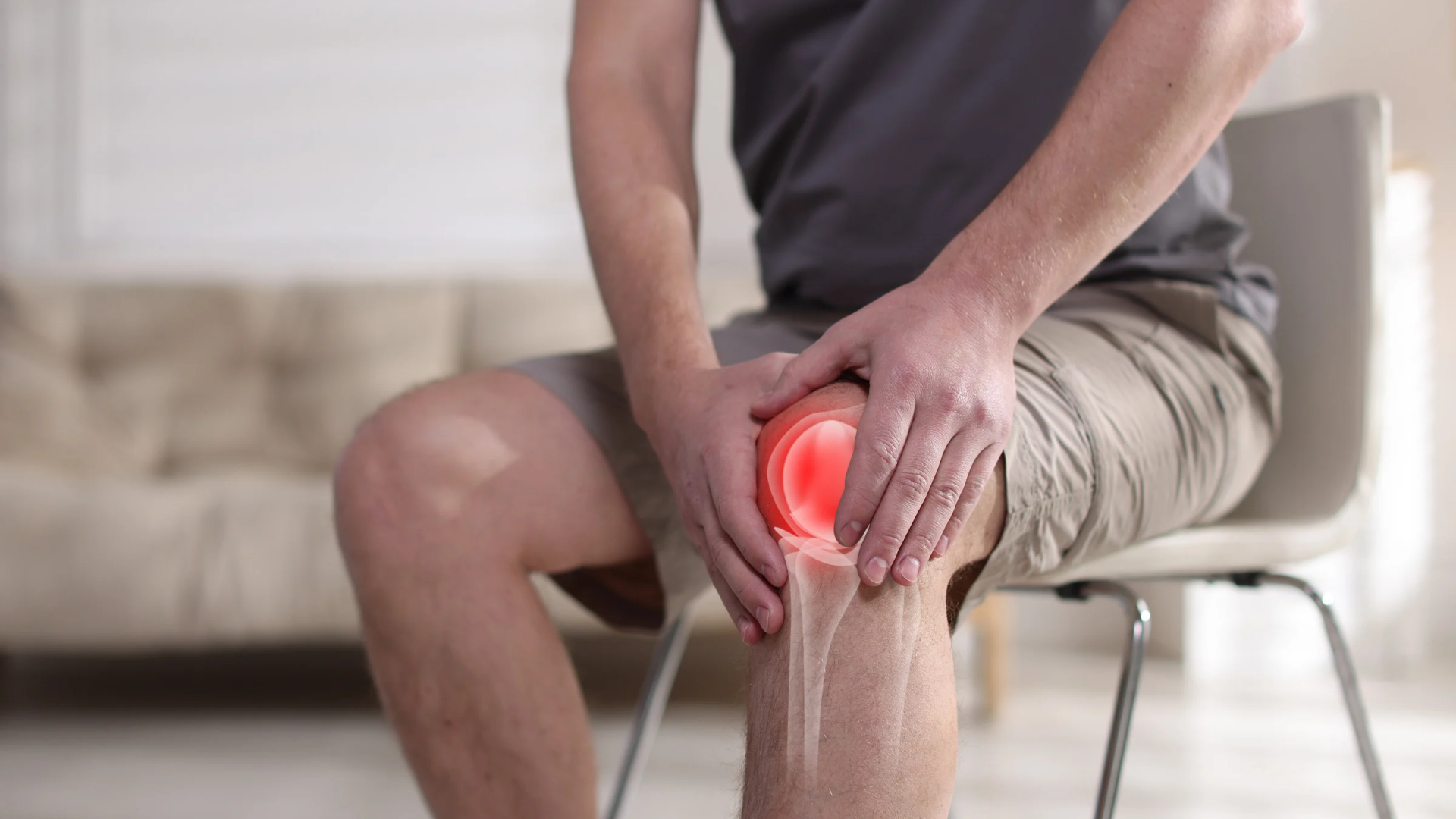
Joint pain is often treated as a problem with a simple location: your knee hurts, your shoulder feels stiff, or your neck becomes difficult to turn. But the location of the discomfort does not always tell the whole story.

A painful knee, for example, may involve changes inside the joint, irritation in a tendon, altered movement mechanics, or several contributing factors at once. Similarly, persistent neck and shoulder pain may reflect a combination of physical strain, sleep disruption, stress, and changes in how the nervous system processes pain.

Understanding these distinctions matters because different problems call for different approaches.

If you have been searching for what causes joint pain, how to decrease knee joint pain, or how to manage chronic pain, it helps to look beyond the symptom itself. The more clearly you understand what may be contributing to your discomfort, the easier it becomes to have an informed conversation about your options.

At Woodlands Natural Health, several specialized wellness approaches, including shockwave therapy, Structural Release Therapy, Prolozone, and selected IV therapies, may be explored according to individual needs and clinical suitability.

Here is what you should understand about persistent joint and musculoskeletal pain, and how these approaches differ.

What Causes Joint Pain? Start by Understanding the Structure Involved

A joint is more than the point where two bones meet. It works with cartilage, connective tissues, tendons, ligaments, muscles, nerves, and surrounding structures to allow movement and distribute physical forces.

Pain can arise from different parts of this system, and the distinction is important.

When the Joint Itself Is Involved

Conditions such as osteoarthritis affect the structures within and around a joint. In osteoarthritis, changes can involve cartilage, underlying bone, the joint lining, and other tissues.

This helps explain why joint pain is not simply a matter of cartilage wearing away. Inflammation, bone changes, muscle strength, and the way the joint responds to loading can also influence symptoms.

Knee and hip osteoarthritis may cause pain during weight-bearing activities, stiffness after inactivity, and limitations in everyday movement. However, the severity of discomfort does not always correspond directly to the extent of changes seen on an X-ray.

When the Tendons or Surrounding Tissues Are Involved

Tendons connect muscles to bones and help transfer force during movement. Repeated loading, sudden increases in activity, and insufficient recovery relative to physical demands can contribute to tendon problems.

This is different from pain caused primarily by changes inside a joint.

For instance, pain around the shoulder may be related to the rotator cuff tendons rather than the joint surface itself. Pain near the heel may involve the plantar fascia, while discomfort around the knee may involve a tendon or other surrounding structure.

This distinction is particularly relevant when exploring shockwave therapy, because its potential usefulness depends on the specific musculoskeletal condition rather than the general presence of pain.

When Movement Patterns Contribute to Discomfort

The body distributes forces across connected structures. Changes in strength, mobility, coordination, or movement habits can influence how much stress particular tissues experience.

Consider someone who experiences knee pain when climbing stairs. The knee is where the pain appears, but understanding the problem may also require looking at the hip, ankle, surrounding muscles, activity levels, and the specific structures involved.

This does not mean that every painful joint is caused by a problem elsewhere. It means that examining the painful area in isolation may not provide the complete picture.

What Causes Joint Pain All Over the Body?

When discomfort affects several joints or widespread areas of the body, it is important to consider causes beyond localized mechanical strain.

Inflammatory conditions, viral illnesses, fibromyalgia, certain medication effects, and other systemic conditions can contribute to widespread pain. Some conditions affect joints directly, while others cause pain in muscles and other soft tissues that may be mistaken for joint pain.

The pattern of symptoms can offer important clues.

For example, prolonged morning stiffness and multiple swollen joints may raise different questions from discomfort that appears primarily after repetitive activity. Widespread pain accompanied by fatigue may also warrant a different evaluation from isolated knee pain following an injury.

The key is to distinguish between localized musculoskeletal problems and conditions that affect the body more broadly.

An assessment may consider symptom patterns, medical history, physical findings, and, when appropriate, laboratory tests or imaging. This information helps determine which approaches are suitable and whether specialist medical care is needed.

What Is Chronic Pain, and Why Can It Persist?

Chronic pain generally refers to pain that continues or recurs for more than three months.

One of the most important distinctions in understanding chronic pain is that ongoing discomfort does not necessarily mean an injury is continuously worsening.

Pain involves signals from tissues, processing within the nervous system, and the brain’s interpretation of those signals. After an injury or during a persistent condition, these processes can change.

The Difference Between Tissue Damage and Pain Sensitivity

When tissue is injured, specialized nerve endings can detect potentially harmful stimuli and send signals through the nervous system. This is part of the body’s normal protective response.

In some circumstances, however, the nervous system becomes more responsive to stimulation. This is known as sensitization.

When this happens, activities or sensations that were previously comfortable may become painful, or an existing painful condition may become more difficult to manage.

This does not mean the pain is imaginary. It means the experience of pain can reflect more than the current condition of a particular tissue.

Chronic pain can involve ongoing tissue problems, changes in nervous system processing, or a combination of mechanisms. Understanding which factors may be involved can help guide a more appropriate care plan.

How Stress Contributes to Chronic Neck and Shoulder Pain

Stress can influence muscle tension, sleep quality, and pain sensitivity. During periods of prolonged stress, some people notice increased tension around the neck, jaw, and shoulders.

Poor sleep may further affect pain sensitivity and recovery, creating a cycle in which discomfort disrupts sleep and fatigue makes daily symptoms harder to manage.

However, stress should not automatically be considered the cause of persistent pain. Cervical joint problems, tendon conditions, nerve irritation, and other physical factors may also contribute.

For this reason, understanding chronic neck and shoulder pain may involve considering both the physical structures involved and the factors that influence the nervous system and recovery.

How to Decrease Knee Joint Pain: Why the Cause Matters

Knee pain is a useful example of why identifying the underlying problem matters before choosing an approach.

Two people may describe the same symptom but have different conditions.

One person may have knee osteoarthritis, with changes affecting the joint and surrounding tissues. Another may have patellar tendinopathy, which affects the tendon connecting the kneecap to the shinbone. Someone else may experience knee pain related to an acute ligament injury.

These conditions are not interchangeable, and neither are the options that may be appropriate for them.

For example, an approach studied for a particular tendon condition should not automatically be assumed to provide the same benefit for osteoarthritis.

The same principle applies to specialized therapies. Shockwave therapy may be considered for selected musculoskeletal conditions, including some tendon problems, depending on the diagnosis and available evidence.

An appropriate assessment can help clarify whether the discomfort appears to originate within the joint, involve surrounding soft tissues, or require further investigation.

The objective is not simply to reduce the sensation of pain temporarily. It is to understand the problem well enough to choose an approach that makes sense for the condition being addressed.

Four Approaches to Explore for Chronic Joint and Musculoskeletal Pain

Once the likely source of discomfort has been investigated, different approaches may be considered according to the condition, the person’s goals, and the available evidence.

The following therapies work in different ways. Understanding those differences can help you have a more informed discussion about which options may be appropriate for you.

1. Shockwave Therapy: Promoting Comfort, Mobility, and Tissue Recovery

Shockwave therapy uses acoustic pressure waves directed at specific areas of the body to stimulate a local tissue response. This non-invasive approach can help address certain musculoskeletal concerns, with potential benefits for pain relief, mobility, and tissue recovery.

Shockwave therapy is commonly used for selected tendon-related conditions and may help improve physical function, making everyday movements more comfortable.

Potential benefits include:

  • Reduced discomfort associated with certain musculoskeletal conditions.
  • Improved mobility and physical function.
  • Stimulation of local tissue responses associated with recovery.
  • Greater comfort during everyday activities.

At Woodlands Natural Health, shockwave therapy offers a non-invasive option for people looking to move more comfortably and maintain an active lifestyle.

2. Structural Release Therapy: Releasing Tension and Improving Mobility

Muscle tension and soft-tissue restrictions can affect how the body moves and feels, sometimes contributing to stiffness, discomfort, and reduced mobility.

Structural Release Therapy focuses on the body’s structural relationships and soft tissues. By addressing areas of tension and movement restriction, this approach aims to improve flexibility and promote more comfortable movement.

Potential benefits include:

  • Relief from muscle tension and soft-tissue discomfort.
  • Improved flexibility and range of motion.
  • Less stiffness and greater ease of movement.
  • Better comfort during everyday activities.
  • A complementary approach to improving mobility and physical well-being.

For people experiencing neck, shoulder, back, or other musculoskeletal discomfort, addressing soft-tissue tension can be an important part of improving movement and everyday comfort.

At Woodlands Natural Health, Structural Release Therapy offers an approach focused on easing tension, improving mobility, and helping you move with greater comfort.

3. Prolozone Therapy: Supporting Joint Comfort and Function

Prolozone Therapy is an injection-based approach involving ozone and other components. It is used for certain musculoskeletal and joint-related concerns, with the goal of improving comfort and function.

The approach focuses on the local tissue environment and may help ease discomfort while supporting better movement in affected areas.

Potential benefits include:

  • Relief from joint and musculoskeletal discomfort.
  • Improved mobility and everyday function.
  • Support for local tissue-repair processes.
  • Help managing discomfort associated with certain joint and soft-tissue concerns.
  • An additional option to explore as part of an individualized wellness plan.

Joint discomfort can make walking, exercising, and everyday activities more challenging. Exploring appropriate approaches can help people work toward greater comfort and a more active lifestyle.

At Woodlands Natural Health, Prolozone Therapy offers an option for individuals seeking to address joint discomfort and improve everyday mobility.

4. Wound-Healing IV Therapy: Supporting the Body’s Natural Repair Processes

The body relies on essential nutrients to maintain tissues and carry out its natural repair processes. Vitamin C contributes to collagen formation, while zinc plays an important role in normal tissue repair.

Wound-Healing IV Therapy delivers selected nutrients and other substances directly into the bloodstream, bypassing the digestive system. Depending on the formulation and individual needs, this approach can help provide nutrients involved in the body’s natural healing processes.

Potential benefits include:

  • Addressing specific nutritional needs involved in tissue repair.
  • Delivering selected nutrients directly into the bloodstream.
  • Helping correct certain nutrient deficiencies that can affect normal healing.
  • Complementing a broader approach to wound care and recovery.

Adequate nutrition plays an important role in the body’s ability to maintain and repair tissues. Providing relevant nutrients when needed helps address one of the factors involved in the healing process.

At Woodlands Natural Health, Wound-Healing IV Therapy can be explored as part of an approach focused on the body’s nutritional needs during recovery.

Why Combining Different Approaches Requires Individualization

It can be tempting to assume that combining several therapies will automatically produce a better outcome. In reality, the value of an approach depends on the problem it is intended to address.

For example, a person with a specific tendon condition may be a candidate for a musculoskeletal approach such as shockwave therapy. Someone experiencing movement-related restrictions may benefit from exploring a structural approach. An injection-based therapy raises different questions about the target tissue, evidence, and risks.

IV therapy also has a different purpose from these localized approaches.

These options should not be treated as interchangeable, nor does every person need several therapies at once.

A more useful way to think about individualized care is to ask four questions:

  • What condition or contributing factor are we trying to address?
  • What does the available evidence say about this approach for that specific condition?
  • What outcome would indicate meaningful progress, such as improved mobility or daily function?
  • How will we determine whether the approach is helping and whether the plan needs to change?

These questions create a clearer basis for discussing options and setting realistic expectations.

When Should You Seek Further Evaluation for Joint Pain?

Persistent discomfort deserves attention when it interferes with daily activities, repeatedly returns, or has no clear explanation.

Certain symptoms require more urgent assessment. A hot, swollen joint accompanied by fever, sudden severe joint pain, a significant injury, or an inability to bear weight should not be managed by simply exploring wellness therapies.

Widespread joint pain, prolonged morning stiffness, and unexplained symptoms affecting several joints may also warrant medical evaluation.

Understanding the cause is particularly important before considering injection-based approaches or assuming that a musculoskeletal therapy is appropriate.

Explore Your Options at Woodlands Natural Health

Chronic joint and musculoskeletal pain can be complex because several structures and biological processes may contribute to the same symptom.

The most useful starting point is understanding what may be driving the discomfort and identifying which approaches are relevant to that particular situation.

Woodlands Natural Health offers specialized wellness approaches, including shockwave therapy, Structural Release Therapy, Prolozone, and IV therapy options. Each has a different purpose, and suitability depends on the individual’s needs, medical history, and the specific concern being addressed.

If you are exploring options for persistent joint or musculoskeletal discomfort, a consultation can help you discuss your concerns, learn more about available services, and determine which next steps may be appropriate.

Book a Consultation with Woodlands Natural Health

 

Breast Cancer Wellness: Support for the Whole Person

A breast cancer diagnosis reaches past the tumor. Energy drops. Sleep breaks. The chest and arm can feel tight, heavy, or unfamiliar. Worry sits in the body even on quiet days. At Woodlands Natural Health we built our care around that whole picture. We welcome women who want integrative support beside chemotherapy, radiation, surgery, or hormonal therapy, and women who want a fuller plan for recovery, comfort, and vitality while they go through it.

We offer a special place that will take the time to listen and offer the best support.  A consultation is where we learn about you, your history, your current treatment, and your goals. From there, we match the therapies that fit, find some options below: 

Localized Hyperthermia with ThermoField

One of the technologies people may encounter when researching holistic breast cancer treatment is localized hyperthermia.

Hyperthermia uses controlled heat as part of a therapeutic approach. ThermoField uses radiofrequency energy to create localized heating in the treatment area.

Tumor tissue can have different physical and physiological characteristics from surrounding healthy tissue. ThermoField is designed around these differences, using an applicator that remains cool while radiofrequency energy is delivered into the treatment field.

The purpose is to create therapeutic heat within the targeted area while minimizing unnecessary heating of the skin.

Medical hyperthermia has been studied in combination with other cancer treatments, including radiation, particularly in certain breast cancer settings.

For someone exploring a holistic approach to breast cancer, localized hyperthermia may therefore be a technology worth learning about and discussing with their oncology team.

Whether it is appropriate depends on the individual, including the type and stage of cancer, treatment history, treatment area, and current medical plan.

At Woodlands Natural Health, ThermoField sessions are designed to be comfortable and non-invasive. Sessions are generally performed while clothed and take approximately 45 minutes.

IV Ozone with Ultraviolet Light and Biophotonics

Another therapy some people encounter when researching breast cancer is IV ozone combined with ultraviolet blood irradiation, sometimes referred to as UVBI or biophotonics.

This approach combines controlled ozone exposure with ultraviolet light applied to blood.

Ozone-based therapies have been explored in integrative settings in connection with circulation, oxygen-related processes, inflammation, and immune system support.

Ultraviolet blood irradiation has also been used historically as a therapeutic modality, with the concept involving drawing blood, exposing it to a controlled spectrum of ultraviolet light, and returning it to the body.

When these approaches are combined, the intention is to work with physiological processes such as circulation, oxidative signaling, and immune function.

For someone going through cancer treatment, this type of therapy should never be considered in isolation.

The oncology team should be aware of any complementary therapy being considered so that timing and appropriateness can be evaluated in the context of the person’s treatment plan.

At Woodlands Natural Health, therapies are individualized rather than applied according to a single protocol. The timing of any supportive therapy can be considered alongside the rest of a person’s care.

Mistletoe and Integrative Cancer Care

Mistletoe is another therapy that people may encounter when researching holistic breast cancer treatment and integrative oncology.

European mistletoe has a long history of use in integrative cancer care, particularly in parts of Europe. It is generally administered by injection under the skin.

Mistletoe has been studied in relation to immune activity, quality of life, and tolerance of conventional cancer treatment.

For someone researching breast cancer holistic treatment, it is important to understand that mistletoe is not simply a general wellness supplement. It is an integrative therapy that should be considered within the context of the person’s diagnosis, medications, treatment plan, and medical history.

At Woodlands Natural Health, conversations around mistletoe can include the person’s current care, availability, dosing schedule, and how the therapy may fit alongside their existing treatment.

As with any integrative cancer therapy, the oncology team should be part of that conversation.

High Dose IV Vitamin C

High dose intravenous vitamin C is another therapy frequently discussed in breast cancer holistic care and integrative oncology.

Vitamin C taken orally and vitamin C administered intravenously are very different approaches.

Intravenous administration can produce much higher blood concentrations than oral supplementation. This is one of the reasons high dose IV vitamin C has been investigated as a pharmacological therapy rather than simply as nutritional supplementation.

Researchers have studied high dose intravenous vitamin C in combination with conventional cancer treatments and have explored its effects on cellular processes and treatment-related symptoms.

For people researching a holistic approach to breast cancer, this distinction is important.

High dose IV vitamin C is not the same as taking a daily vitamin C supplement.

At Woodlands Natural Health, IV vitamin C may be considered as part of an individualized integrative wellness plan. The appropriate approach depends on the individual and should be evaluated alongside their oncology care.

Repurposed Medications and Integrative Cancer Research

People researching breast cancer holistic treatment may also encounter medications such as ivermectin, fenbendazole, or mebendazole.

These medications have received attention because researchers have investigated their effects on cellular pathways involved in cancer biology.

Mebendazole and fenbendazole, for example, have been studied in relation to microtubules and cellular metabolism. Ivermectin has also been investigated for potential effects on signaling pathways and other biological processes.

This is an area of ongoing research, and the fact that a medication is being studied does not automatically mean it is appropriate for every person or every type of cancer.

For that reason, anyone considering a repurposed medication should discuss it directly with their oncology team and the clinician overseeing their care.

The larger point of a whole-body approach to breast cancer is not to assume that every emerging therapy belongs in every person’s plan.

It is to understand the available tools and determine, case by case, what may or may not be appropriate.

Advanced Lymphatic Drainage with Deep Oscillation

The lymphatic system can be particularly important in breast cancer wellness.

Surgery and radiation involving lymph nodes can affect the pathways through which lymphatic fluid moves. Some women experience swelling, tightness, heaviness, discomfort, or changes in the breast, chest, arm, or shoulder.

Advanced lymphatic drainage focuses on supporting lymphatic fluid movement.

At Woodlands Natural Health, lymphatic wellness sessions may incorporate Deep Oscillation, a technology that uses a gentle electrostatic field to create oscillating effects within the tissues.

The goal is to support fluid movement and tissue comfort.

For someone experiencing lymphatic changes after breast cancer treatment, this may be an area worth discussing with their medical team and, when appropriate, a qualified lymphatic or lymphedema professional.

A whole-body approach considers the lymphatic system as one part of the larger picture of recovery.

Microcurrent Neurofeedback

Breast cancer and its treatment can also place significant demands on the nervous system.

Sleep may become fragmented. Thoughts may feel difficult to quiet. Some women describe feeling exhausted while simultaneously feeling unable to fully relax.

Microcurrent neurofeedback is a technology designed to support nervous system regulation.

IASIS Microcurrent Neurofeedback uses very low levels of electrical stimulation in a brief, non-invasive session. It is used in wellness settings as an approach focused on the nervous system.

Within a breast cancer holistic health plan, nervous system support may be considered because the experience of cancer involves more than physical changes.

The intention is not to treat the cancer.

Instead, microcurrent neurofeedback may be considered as one potential supportive tool for the nervous system and overall wellness.

Whether it is appropriate for an individual undergoing cancer treatment should always be discussed with their healthcare team.

Red Light Therapy and Photobiomodulation

Red light therapy, also known as photobiomodulation, uses specific wavelengths of red and near-infrared light.

Unlike radiation therapy, red light therapy does not use ionizing radiation.

The light is delivered to the body with the goal of interacting with cells and tissues. Photobiomodulation has been studied in areas such as tissue recovery, skin health, inflammation, discomfort, and treatment-related tissue changes.

For breast cancer patients, one area of particular interest is the skin and tissue changes that can occur during radiation therapy.

Red light therapy has also been explored for tissue comfort and recovery following surgery.

At Woodlands Natural Health, red light therapy may be incorporated into a broader wellness plan depending on the individual’s needs.

The treatment area, timing, medical history, current cancer treatment, and other factors all matter.

That is why red light therapy, like any other complementary approach, should be presented to the oncology team before being introduced into a patient’s care.

Why Cellular Health Is Part of the Conversation

The term cellular health is increasingly common in the world of whole-body wellness.

Every tissue and organ in the body depends on cellular processes. Cells produce energy, communicate, respond to their environment, repair themselves, and interact with surrounding tissues.

Different wellness technologies approach cellular wellness in different ways.

Red and near-infrared light interact with tissues through photobiomodulation.

Localized heat influences the tissue environment.

Electrical stimulation can interact with nervous system and tissue activity.

Oxygen and ozone-based therapies focus on blood and oxygen-related processes.

These are very different technologies, but they all represent a broader shift toward looking at the body as an interconnected system.

That is one of the central ideas behind holistic breast cancer health.

A Whole-Body Approach Means Looking at the Person

A diagnosis is an important part of someone’s health story.

It is not the entire person.

Someone living with breast cancer is still a whole person with a nervous system, immune system, lymphatic system, digestive system, cardiovascular system, emotions, goals, relationships, and a life beyond the diagnosis.

That is what a holistic approach to breast cancer is intended to recognize.

There may be more than one area of the body that deserves attention.

There may be more than one aspect of wellness that needs support.

And there may be more than one tool that can potentially become part of an individualized plan.

The purpose of introducing these therapies is not to tell every patient what they should do.

It is to make people aware of what is available.

If a particular technology or therapy interests you, bring it to your oncology team. Let them evaluate it in the context of your diagnosis, current treatment, medications, history, and individual needs.

That conversation is essential because every cancer is different, and every person is different.

A Place to Begin

There is no single plan that fits everyone.

Some women may be interested in exploring ThermoField and IV Vitamin C. Others may want to learn more about mistletoe or advanced lymphatic drainage after surgery. Someone else may be interested in red light therapy, nervous system support, ozone-based therapies, or other whole-body wellness approaches.

The right combination, if any, depends on the person.

At Woodlands Natural Health, we provide a space where you can be heard, your history can be understood, and the available supportive therapies can be explained.

A consultation gives us time to learn about you, your current care, your goals, and what you are carrying through this experience. From there, we can discuss which wellness approaches may be appropriate to explore alongside your medical care.

If you are in treatment, finishing treatment, or living with the changes that treatment has left behind, our goal is to look beyond the diagnosis and care for the person as a whole.

This article is for educational purposes only and is not intended as medical advice.  


Sources

Hyperthermia

Datta NR, et al. Int J Radiat Oncol Biol Phys. 2016;94(5):1073–1087.

Overgaard J, et al. Radiother Oncol. 2024;196:110313.

Bakker A, et al. Int J Hyperthermia. 2019;36(1):1023–1038.

van der Zee J. Ann Oncol. 2002;13(8):1173–1184.

Wust P, et al. Lancet Oncol. 2002;3(8):487–497.

Ozone and ultraviolet blood irradiation

Borrelli E. Eur J Integr Med. 2012;4:132.

Wu X, et al. J Photochem Photobiol B. 2016;157:89–96.

Clavo B, et al. Int J Environ Res Public Health. 2023;20(2):1479.

Shallenberger F. Principles and Applications of Ozone Therapy. CreateSpace; 2011.

Mistletoe

National Cancer Institute. Mistletoe extracts (PDQ). cancer.gov.

Loef M, et al. Integr Cancer Ther. 2023;22:15347354231198074.

Kienle GS, Kiene H. Integr Cancer Ther. 2010;9(2):142–157.

Intravenous vitamin C

Padayatty SJ, et al. Ann Intern Med. 2004;140(7):533–537.

Chen Q, et al. Proc Natl Acad Sci U S A. 2005;102(38):13604–13609.

Cameron E, Pauling L. Proc Natl Acad Sci U S A. 1976;73(10):3685–3689.

Dachs GU, et al. Front Oncol. 2021;10:600715.

Mikirova N, et al. J Transl Med. 2012;10:189.

Drisko JA, et al. J Am Coll Nutr. 2003;22(2):118–123.

Riordan HD, et al. P R Health Sci J. 2005;24(4):269–276.

Ma Y, et al. Sci Transl Med. 2014;6(222):222ra18.

Welsh JL, et al. Cancer Chemother Pharmacol. 2013;71(3):765–775.

Monti DA, et al. PLoS One. 2012;7(1):e29794.

Schoenfeld JD, et al. Cancer Cell. 2017;31(4):487–500.

Vollbracht C, et al. In Vivo. 2011;25(6):983–990.

Repurposed medicines

Hegazy SK, et al. Life Sci. 2022;299:120536.

Dogra N, et al. Sci Rep. 2018;8:11926.

Juarez M, et al. Am J Cancer Res. 2018;8(2):317–331.

Yuan Y, et al. J Clin Oncol. 2025;43(16 suppl):TPS1132.

ClinicalTrials.gov. NCT05318469.

Lymphatic drainage and deep oscillation

Ezzo J, et al. Cochrane Database Syst Rev. 2015;2015(5):CD003475.

Lin Y, et al. Clin Breast Cancer. 2022;22(5):e664–e673.

Jahr S, et al. J Rehabil Med. 2008;40(8):645–650.

Red light

Robijns J, et al. Lasers Surg Med. 2018;50(7):763–771.

de Pauli Paglioni M, et al. Oral Oncol. 2019;93:21–28.

What Is Neurofeedback? How Microcurrent Neurofeedback Works

If you have ever wondered what is neurofeedback, you are not alone.

Neurofeedback is a type of brain based training that aims to help a person become more aware of and regulate certain patterns of brain activity.

But neurofeedback is not one single therapy.

There are different approaches, technologies, and protocols that fall under the broader category of neurofeedback. Traditional EEG based neurofeedback, for example, generally involves measuring brainwave activity and providing feedback that allows the individual to actively participate in training.

Microcurrent Neurofeedback takes a different approach.

One of the technologies used in this approach is IASIS Microcurrent Neurofeedback, which uses very low intensity electrical signals and is designed as a passive form of neurofeedback.

Understanding that distinction is important when asking whether neurofeedback therapy may be appropriate for you or your child.

What Is Neurofeedback?

At its simplest, neurofeedback is about the relationship between brain activity, feedback, and self regulation.

The brain is constantly producing electrical activity as networks of neurons communicate with one another. These patterns change depending on what we are doing and experiencing.

For example, the brain does not operate in exactly the same way when you are:

focused on a task

deeply relaxed

trying to solve a problem

under stress

falling asleep

processing an emotional experience

Traditional neurofeedback uses sensors, commonly EEG sensors, to measure aspects of brain activity. The information is then translated into feedback, often visual or auditory, that allows the individual to learn to influence specific patterns over repeated sessions.

The broader idea is that the brain is adaptable.

This ability to change in response to experience is known as neuroplasticity.

How Does Neurofeedback Work?

To understand how does neurofeedback work, it helps to think about the brain as a constantly adapting system.

The brain receives information from the environment and the body, processes that information, and generates responses.

When a person participates in traditional neurofeedback, sensors monitor brain activity. The system provides feedback based on the activity being measured.

Over time, repeated practice is intended to help the brain learn more consistent patterns of regulation.

The process is different from simply telling someone to “focus harder.”

Instead, the technology provides information about physiological activity and uses that information as part of a training process.

Research on neurofeedback is still evolving. Studies have reported potential benefits in areas such as attention and executive function, but results vary depending on the condition, protocol, study design, and outcome being measured.

That distinction matters.

What Is Microcurrent Neurofeedback?

Microcurrent Neurofeedback (MCN) is a different approach within the broader field of neurofeedback.

IASIS Microcurrent Neurofeedback uses very low intensity pulsed electrical signals delivered through electrodes placed on the head. Unlike traditional EEG neurofeedback, the person does not have to actively perform a cognitive task to generate the feedback. It is described as a passive approach.

This is one of the characteristics that makes MCN different.

Instead of asking the person to actively control a visual or auditory feedback signal, the individual can simply sit comfortably while the session takes place.

The technology is intended to provide subtle stimulation and support the brain’s ability to move toward more regulated patterns.

Because this approach is relatively newer than conventional EEG neurofeedback, the scientific literature specific to IASIS MCN is much smaller.

How Does IASIS Microcurrent Neurofeedback Work?

During an IASIS MCN session, electrodes are positioned according to the protocol being used.

The technology delivers extremely low intensity electrical pulses. In published descriptions of the IASIS system, these signals are described as low intensity pulsed transcranial electrical stimulation.

The goal of the approach is not to force the brain into a particular state.

Rather, the concept behind MCN is to provide a subtle signal that may interrupt or shift existing patterns of brain activity and allow the brain to reorganize.

This is why IASIS MCN is sometimes described as a form of passive neurofeedback.

The person does not need to concentrate on a screen, complete a game, or consciously change their brainwaves during the session.

Traditional Neurofeedback vs. Microcurrent Neurofeedback

Although both approaches fall under the broader neurofeedback conversation, they are not the same.

Traditional EEG neurofeedback typically measures electrical brain activity and provides real time feedback that the person actively responds to. The individual may watch a screen, listen to sounds, or interact with a computer based task while learning to influence specific brainwave patterns.

Microcurrent Neurofeedback, such as IASIS MCN, uses very low intensity electrical stimulation and does not require the same active participation from the person.

The difference can be summarized simply:

Traditional neurofeedback: measure → provide feedback → actively train

Microcurrent neurofeedback: measure/use brain activity information → provide subtle stimulation → allow the brain to respond

Neither description means that one approach is automatically better than the other.

They are simply different approaches.

The right choice depends on the individual, the goals, the practitioner, and the evidence available for the specific situation.

What Happens During a Microcurrent Neurofeedback Session?

One of the appealing aspects of MCN is that the session itself is relatively passive.

The individual typically sits comfortably while electrodes are placed on the head according to the protocol.

There is no need to complete a difficult mental exercise or continuously concentrate on a computer screen.

Published research describing IASIS MCN has reported sessions in which participants remained passive during treatment.

At Woodlands Natural Health, Microcurrent Neurofeedback can be incorporated into a broader personalized wellness approach, depending on the individual’s goals and needs.

The important point is that the technology is not intended to replace healthy foundations such as sleep, nutrition, movement, stress management, or appropriate medical care.

It can be considered as one component of a larger approach to supporting brain and nervous system regulation.

What Are the Potential Benefits of Neurofeedback?

People are often interested in neurofeedback therapy because they want to better understand or support areas such as focus, stress response, sleep, emotional regulation, or overall nervous system balance.

Research into different forms of neurofeedback has explored areas including attention, executive function, and ADHD symptoms. However, the results are not uniform. A 2025 systematic review and meta analysis of 38 randomized trials involving ADHD found that overall neurofeedback did not produce a meaningful improvement in core ADHD symptoms when using probably blinded assessments, although some smaller effects appeared in specific analyses.

This is why it is important to avoid presenting neurofeedback as a guaranteed solution.

For MCN specifically, a 2024 pilot study involving 20 adults receiving IASIS microcurrent neurofeedback reported improvements in measures of depression, anxiety, PTSD symptoms, and quality of life after 10 and 20 sessions. However, the study was exploratory, had no control group, and the researchers called for randomized controlled trials and additional research.

So what can we reasonably say?

Neurofeedback and MCN are areas of active interest, and some studies are promising.

But “promising” is not the same as “proven for everyone.”

Who May Be Interested in Microcurrent Neurofeedback?

MCN may be of interest to adults or families looking for a gentle, passive approach to supporting nervous system and brain regulation.

People may explore neurofeedback when they are experiencing challenges related to:

focus and attention

stress and feeling overwhelmed

sleep and recovery

emotional regulation

brain fog

difficulty adapting to stress

overall nervous system regulation

Myths and Facts About Neurofeedback

Myth: All neurofeedback is the same.

Fact: Neurofeedback includes multiple approaches and protocols. Traditional EEG neurofeedback and Microcurrent Neurofeedback use different methods.

Myth: Neurofeedback means you have to concentrate really hard.

Fact: Some traditional forms require active participation. IASIS MCN is designed as a passive approach, so the individual does not have to consciously control the feedback during the session.

Myth: Neurofeedback changes your personality.

Fact: The goal of neurofeedback is not to change who you are. The intended focus is on supporting regulation of brain activity or nervous system function.

Myth: Neurofeedback works immediately for everyone.

Fact: Individual responses vary, and scientific evidence does not support promising a specific number of sessions or a guaranteed outcome.

Myth: Microcurrent Neurofeedback is the same as traditional EEG neurofeedback.

Fact: It is not. MCN uses very low intensity electrical stimulation and a passive protocol, while traditional EEG neurofeedback generally relies on real time feedback from measured brainwave activity and active participation.

Myth: If a therapy is non invasive, it does not need professional guidance.

Fact: Non invasive does not mean appropriate for everyone. Neurotechnology should be administered according to the technology’s intended use and by appropriately trained professionals.

Does Neurofeedback Work?

The most honest answer is: it depends on the type of neurofeedback, what it is being used for, and what outcome is being measured.

The research is encouraging in some areas but remains mixed.

For traditional neurofeedback, there is evidence suggesting potential improvements in specific cognitive and behavioral outcomes, while other high quality studies have found more limited effects.

For IASIS Microcurrent Neurofeedback, the research base is considerably smaller. A pilot study has produced promising findings, but larger controlled studies are still needed before strong conclusions can be made about its effectiveness for specific conditions.

That is why an individualized approach matters.

Rather than asking whether neurofeedback is a universal answer, it is more useful to ask whether a particular approach makes sense for a particular person.

A Personalized Approach to Brain and Nervous System Wellness

The brain does not function in isolation.

Sleep, stress, environmental factors, nutrition, physical activity, emotional experiences, and overall health can all influence how a person feels and functions.

This is why at Woodlands Natural Health, Microcurrent Neurofeedback can be considered within a broader personalized wellness approach rather than as a standalone solution.

The goal is to understand the individual first and then determine which forms of support may be appropriate.

If you have been searching for neurofeedback therapy near me and want to understand whether Microcurrent Neurofeedback may be appropriate for you or your child, the first step is learning more about your individual needs.

Explore Microcurrent Neurofeedback at Woodlands Natural Health

At Woodlands Natural Health, we offer IASIS Microcurrent Neurofeedback as part of our personalized approach to brain and nervous system wellness.

If you have questions about how MCN works, what a session is like, or whether it may be appropriate for your goals, call 936 224 4948 to speak with our team.

Your brain is unique. Your approach to wellness should be too.

How to Boost Your Immune System Naturally: 10 Ways to Support Your Body

Your immune system is working every day to protect you. But supporting immune health is about much more than eating well, getting enough sleep, or taking another supplement.

Your immune system constantly communicates with your nervous system, digestive system, hormones, lymphatic system, and other parts of the body. At the same time, your body is exposed to stressors every day, including emotional stress, environmental exposures, poor recovery, and the demands of modern life.

So if you are searching for how to boost your immune system naturally, a better question may be:

How can I support my body’s ability to regulate, recover, and respond?

Your Immune System Is Part of a Bigger Network

The immune system does not work independently. It communicates with the brain, nervous system, digestive system, hormones, and lymphatic system through complex biological pathways.

When your body encounters a stressor, these systems work together to respond and restore balance. Your nervous system helps coordinate the stress response, your immune system responds to potential threats, and organs such as the liver and kidneys participate in processing and eliminating substances.

This is why immune health is connected to whole body wellness. Supporting immune function means looking at the environment in which the entire body is functioning.

1. Reduce Unnecessary Environmental Exposures

Your body interacts with countless substances throughout the day.

Fragrances, perfumes, air fresheners, cleaning products, cosmetics, plastics, pesticides, smoke, and air pollution are all part of the modern environment.

You do not need to eliminate every possible exposure. Instead, focus on the ones you can reasonably control.

Try choosing fragrance free products when possible, reducing artificial air fresheners, improving ventilation, avoiding heating food in plastic, and using glass or stainless steel containers when practical.

The goal is not fear. It is awareness.

2. Support Your Body’s Natural Detoxification Pathways

Your body already has sophisticated systems for processing and eliminating substances. The liver, kidneys, digestive system, lungs, skin, and lymphatic system all contribute to maintaining internal balance.

Rather than thinking about detox as a quick cleanse, think about supporting these natural processes consistently.

Hydration, regular bowel movements, adequate fiber, movement, and good nutrition can all support normal physiological processes involved in elimination.

The goal is not to force the body to detoxify faster. It is to support the systems that already perform these functions.

3. Support Your Nervous System

Your nervous system and immune system are constantly communicating.

When you experience stress, the nervous system helps coordinate how your body responds. If stress becomes chronic and recovery is limited, the body may have a harder time returning to a balanced state.

Create small opportunities for recovery throughout the day.

A short walk, slow breathing, time outdoors, stretching, meditation, or simply stepping away from screens for a few minutes can help create a healthier balance between stimulation and recovery.

4. Keep Your Lymphatic System Moving

Your lymphatic system is an important part of immune function and fluid balance.

Unlike the cardiovascular system, it does not have a central pump like the heart. Movement and muscle contractions help support lymphatic circulation.

Walking, stretching, mobility exercises, deep breathing, and regular physical activity can therefore be simple ways to support healthy lymphatic movement.

For some individuals, professional lymphatic drainage may also be incorporated into a personalized wellness routine.

5. Stay Hydrated

Hydration is easy to overlook, but water is involved in countless processes throughout the body.

Rather than waiting until you feel extremely thirsty, make hydration part of your routine.

Keep water accessible throughout the day, drink consistently, and remember that hydration needs can vary depending on activity, climate, diet, and individual circumstances.

Hydration is not a cure for illness, but it is an important part of supporting normal body function.

6. Support Your Gut and Digestive Health

The digestive system and immune system have an extensive relationship.

The gut is home to a large community of microorganisms, while the intestinal environment constantly communicates with immune cells and other parts of the body.

Supporting digestive health can start with simple habits such as eating a variety of whole foods, consuming adequate fiber, drinking enough water, moving regularly, and paying attention to foods that consistently cause digestive discomfort.

Your gut is not separate from your immune system. It is part of the larger network.

7. Give Your Body Time to Recover

Modern life can make constant activity feel normal.

Work, school, exercise, social obligations, screens, travel, and family responsibilities can create a continuous stream of stimulation.

Recovery needs to be intentional.

Create periods during the day when your body is not being asked to perform, process, or respond.

This could mean taking a quiet walk, spending time outside, practicing relaxation, reducing evening stimulation, or simply creating a consistent bedtime routine.

Resilience is built through the balance between stress and recovery.

8. Consider Nutrient and IV Infusion Support

Healthy lifestyle habits are the foundation, but some people are interested in additional wellness support.

Nutrient and IV infusions can provide fluids and selected nutrients intravenously under professional supervision.

At Woodlands Natural Health, infusion options can be incorporated into an individualized wellness approach based on a person’s goals and circumstances.

An infusion should not replace healthy nutrition, sleep, movement, or appropriate medical care. Instead, it may be considered an additional layer of personalized wellness support.

9. Identify Your Individual Stress Load

Not everyone responds to the same stressors in the same way.

One person may feel completely comfortable in a particular environment, while another may notice changes in energy, digestion, sleep, skin, or overall well being.

Stressors may include:

• environmental exposures
• emotional stress
• school or work demands
• poor sleep
• dietary factors
• physical demands
• inadequate recovery

Instead of asking only, “What can I take to boost my immune system?”, consider asking:

“What is my body being exposed to every day, and how well am I recovering from it?”

Understanding your individual stress load can help you make more informed wellness decisions.

10. Explore Personalized Support With TruDOSE

For people interested in a more personalized approach, TruDOSE is another wellness option available at Woodlands Natural Health.

TruDOSE is a platelet based therapy that starts with your own blood.

Platelets are best known for their role in blood clotting, but they also contain signaling molecules and growth factors involved in processes related to tissue repair, vascular function, and cellular communication.

With TruDOSE, a blood sample is evaluated to help determine individual platelet characteristics. A larger blood sample is then processed to create a personalized platelet preparation that is administered through IV therapy under professional supervision.

One of the unique aspects of the approach is that the therapy is derived from the individual’s own blood rather than relying on a standardized preparation that is identical for everyone.

The goal is not to artificially “boost” the immune system.

Instead, TruDOSE can be considered as part of a personalized wellness strategy designed around the individual’s biology and overall goals.

Immune Health Is About More Than “Boosting”

When people search how to boost your immune system naturally, they are often looking for one food, supplement, or therapy that will make their immune system stronger.

But immune health is much more complex.

Your immune system is constantly communicating with your nervous system, gut, lymphatic system, hormones, and environment.

That means supporting immune wellness can involve reducing unnecessary exposures, supporting natural elimination, staying hydrated, keeping the body moving, managing stress, allowing time for recovery, and understanding your individual needs.

For some people, personalized wellness therapies such as IV infusions, lymphatic support, and TruDOSE may be another part of that picture.

At Woodlands Natural Health, we believe in looking at the whole person rather than focusing on one symptom or one system.

Ready to Learn More?

If you would like to explore personalized immune wellness support and learn more about TruDOSE, nutrient infusions, or other wellness therapies, call 936 224 4948 to speak with the Woodlands Natural Health team.

How to Get Rid of Bloating: What Causes a Bloated Stomach and What Helps

Bloating is one of the most common digestive complaints and one of the most frustrating.

You may wake up feeling comfortable and notice that your stomach gradually becomes larger, tighter, or uncomfortable as the day goes on.

You may find yourself asking:

“Why am I so bloated?”

“Why does my stomach swell after I eat?”

“How can I get rid of bloating?”

For some people, bloating happens occasionally after a large meal. For others, a bloated stomach can become a recurring problem that affects how they eat, sleep, move, and feel throughout the day.

If you have ever searched “why am I so bloated I look pregnant,” you know how frustrating abdominal swelling can feel.

But bloating is more than simply a stomach that looks larger.

Bloating is a signal from the body.

To understand how to get rid of bloating, it can be helpful to understand what may be happening underneath the symptom.

What Is Bloating?

So, what is bloating?

Bloating is a sensation of fullness, pressure, tightness, or swelling in the abdomen. Some people experience a feeling of trapped gas, while others notice visible abdominal distension.

A bloated stomach may feel:

  • full
  • tight
  • heavy
  • uncomfortable
  • swollen after eating

Bloating can have many different contributors, including gas, constipation, eating habits, certain foods, digestive function, stress, and changes in the gut environment.

This is why there is not always one answer to what helps with bloating.

The better question may be:

What is contributing to my bloating?

What Causes Bloating?

There is no single cause of bloating.

Your digestive system is constantly interacting with food, fluids, microorganisms, hormones, immune signals, and the nervous system.

When one part of this process changes, you may notice symptoms such as gas, abdominal pressure, constipation, or stomach swelling.

Gas and Digestion

Gas is one common contributor to bloating.

Gas can come from swallowed air as well as the normal breakdown of certain carbohydrates by bacteria in the digestive tract.

Eating quickly, drinking carbonated beverages, eating very large meals, and consuming foods that your individual digestive system does not tolerate well may contribute to digestive discomfort.

Constipation

Constipation can also contribute to a bloated stomach.

When bowel movements are infrequent or difficult, stool remains in the digestive tract for longer periods of time. This can contribute to pressure, fullness, and abdominal swelling.

If your bloating regularly occurs alongside constipation or changes in bowel habits, this is an important pattern to pay attention to.

Food Triggers

Certain foods can cause more gas or digestive discomfort in some people.

Potential triggers may include:

  • carbonated beverages
  • very large meals
  • highly processed foods
  • certain high fiber foods
  • sugar alcohols
  • foods an individual does not tolerate well

However, this does not mean that everyone with bloating needs to eliminate these foods.

Your digestive response is individual.

Instead of immediately removing multiple foods from your diet, paying attention to patterns can provide more useful information.

Your Gut, Brain, and Nervous System Are Connected

One of the most important connections to understand when looking at bloating is the relationship between your gut and brain.

Your digestive system and brain are constantly communicating.

This communication happens through several pathways, including the nervous system, hormones, immune signals, and other biological processes.

This is often referred to as the gut brain axis.

The nervous system helps regulate many aspects of digestion, including movement through the digestive tract and how the brain interprets sensations coming from the gut.

This means that your digestive system does not operate independently from the rest of your body.

How Stress Can Affect Digestion

When you experience stress, your nervous system changes the way your body responds.

Your body becomes focused on adapting to the challenge in front of you.

During periods of ongoing stress, this can influence digestive function and how strongly you experience sensations such as fullness, pressure, or discomfort.

This may explain why some people notice more bloating during stressful periods.

You might even notice a pattern:

More stress → more digestive discomfort → more bloating.

This does not mean the symptoms are “all in your head.”

The gut and brain are physically connected, and the nervous system plays an important role in communication between them.

Your Gut and Immune System Are Connected Too

The digestive system is also closely connected to the immune system.

The gastrointestinal tract is constantly interacting with food, microorganisms, and substances entering the body.

The gut microbiome also plays an important role in the digestive environment.

Changes in the gut environment can influence digestion and gas production, while the immune system helps regulate the body’s response to what is happening within the digestive tract.

This is one reason why digestive wellness can involve more than simply changing what you eat.

At Woodlands Natural Health, gut health, immune health, nervous system regulation, and other body systems are considered as interconnected areas of wellness rather than completely separate systems.

Digestion, Nutrition, and Energy

Digestion is how your body breaks food down and makes nutrients available for use.

When digestion is uncomfortable, it can affect eating patterns, food choices, nutrient intake, and energy.

This creates another important connection:

Food → digestion → nutrient availability → energy and whole body function.

This does not mean that every case of bloating is caused by poor nutrition.

It means nutrition is one piece of a much larger picture.

What Should You Pay Attention To?

If you regularly experience bloating, start looking for patterns rather than focusing only on how swollen your stomach looks.

Pay attention to:

When the Bloating Happens

Does it happen immediately after eating?

Several hours later?

Mostly at night?

Does it get worse as the day goes on?

What You Ate

Notice whether certain foods, portions, or combinations seem to be associated with your symptoms.

Your Bowel Movements

Changes in frequency, consistency, or difficulty passing stool may provide important clues.

How Quickly You Eat

Eating quickly can increase the amount of air you swallow and may make meals less comfortable.

Your Stress Levels

Do you notice more bloating during stressful weeks?

Your Sleep

Poor sleep can affect many aspects of whole body regulation, including how your body responds to stress.

Other Symptoms

Pay attention to other changes such as digestive discomfort, fatigue, changes in appetite, skin concerns, or changes in bowel habits.

A simple food and symptom journal can help you identify patterns that may otherwise be difficult to notice.

Instead of only asking:

“How do I get rid of bloating?”

you can begin asking:

“What is my body responding to?”

How to Reduce Bloating Naturally

Once you understand your individual patterns, there are several simple things you can try at home.

1. Slow Down When You Eat

Give your body time to process your meal.

Eat slowly, chew thoroughly, and avoid rushing through meals whenever possible.

2. Take a Walk After Eating

Gentle movement can support normal gastrointestinal motility.

A short walk after a meal can be an easy way to stay active while supporting comfortable digestion.

3. Stay Hydrated

Adequate hydration supports digestion and regular bowel movements.

If constipation is contributing to your bloating, hydration can be especially important.

4. Reduce Carbonated Drinks

Carbonated beverages can introduce additional gas into the digestive tract.

If you frequently experience bloating, try reducing carbonated drinks and notice whether your symptoms change.

5. Pay Attention to Portion Size

Even foods that you normally tolerate well can feel different when eaten in very large quantities.

Instead of focusing only on what you eat, pay attention to how much and how quickly you eat.

6. Support Your Nervous System

Because the gut and nervous system communicate continuously, creating a calmer environment around meals may be helpful.

Try:

  • taking a few slow breaths before eating
  • sitting down rather than eating while rushing
  • getting consistent sleep
  • taking regular movement breaks
  • practicing relaxation techniques
  • making time for recovery during stressful days

Sometimes supporting digestion begins with supporting the nervous system.

How to Reduce Bloating Quickly

If you are looking for how to reduce bloating quickly or what relieves bloating fast, gentle strategies may help temporarily.

Walking, drinking water, avoiding additional carbonated drinks, eating slowly, and giving your digestive system time to process a meal may help with occasional discomfort.

But if bloating keeps returning, constantly looking for a quick fix may not solve the bigger issue.

The more important question becomes:

Why does the bloating keep coming back?

Can Wellness Therapies Help Support Digestive Wellness?

When bloating is recurring, some people want to look beyond diet and lifestyle changes.

Because digestive symptoms can involve several interconnected systems, a personalized wellness approach may consider the gut, nervous system, immune system, stress patterns, nutrition, and other aspects of whole body wellness.

BioScan SRT

BioScan SRT is a non invasive wellness technology that Woodlands Natural Health describes as evaluating the body’s response to different stressors.

These may include food sensitivities, environmental factors, chemicals, emotional stress patterns, and other physical or biological stressors. The scan provides a personalized report that practitioners can use to better understand individual response patterns.

For someone experiencing recurring digestive discomfort, this can provide another perspective when trying to understand individual patterns rather than assuming every person has the same trigger.

Lymphatic Drainage

The lymphatic system plays an important role in fluid movement and immune function.

Woodlands Natural Health offers lymphatic drainage as part of its wellness and detoxification services.

For individuals who experience bloating together with feelings of fluid retention or swelling, lymphatic support may be considered as one component of a broader wellness approach.

HOCATT Wellness Therapy

Woodlands also offers HOCATT ozone sauna therapy as part of its wellness services. It is presented as a non invasive approach supporting circulation, detoxification, relaxation, and overall wellness.

These therapies should not be viewed as a universal solution for bloating.

The right approach depends on what may be contributing to the individual’s symptoms.

Why Looking at the Bigger Picture Matters

If you temporarily reduce bloating but it keeps coming back, it may be worth looking deeper.

Your digestive system does not work alone.

The gut communicates with the brain.

The nervous system influences digestion.

The gut interacts with the immune system.

Nutrition provides the raw materials the body needs to function.

Sleep and stress influence how the body adapts.

The microbiome interacts with the digestive environment.

This is why recurring bloating can sometimes require a more complete look at the body rather than focusing on the stomach alone.

At Woodlands Natural Health, the philosophy is to look beyond individual symptoms and consider the systems and stressors that may be influencing how the body functions.

When Should You Look Deeper Into Bloating?

Occasional bloating is common.

However, persistent, severe, or painful bloating should not simply be ignored.

Talk with a qualified healthcare professional if bloating is frequent, worsening, or accompanied by symptoms such as unexplained weight loss, vomiting, blood in the stool, fever, significant changes in bowel habits, or severe abdominal pain.

A persistent bloated stomach can have many possible causes, so appropriate medical evaluation is important when symptoms are significant or ongoing.

Your Body May Be Giving You a Signal

The fastest way to get rid of bloating is not always another quick fix.

Sometimes the more useful question is:

“What is my body responding to?”

Bloating can be influenced by digestion, food, bowel habits, stress, the nervous system, the gut environment, and other aspects of whole body wellness.

Understanding those connections can help you move from simply managing the symptom to understanding the bigger picture.

Ready to Take a Deeper Look?

If bloating has become a regular part of your life, Book your Free Discovery Call to learn more about the Woodlands Natural Health’s personalized approach to your digestive and whole body wellness.

How to Control Temper Tantrums in Kids: Understanding the Brain Behind Big Emotions

Temper tantrums in kids are one of the most challenging experiences parents face.

One moment your child may be calm and happy. The next, they may be crying, yelling, refusing to cooperate, or completely overwhelmed by emotions.

Many parents find themselves asking:

“Why does my child lose control so quickly?”
“How can I stop these tantrums?”
“What am I supposed to do when my child is overwhelmed?”

While tantrums can look like a behavior problem, they are often connected to something deeper.

A child’s ability to manage emotions depends on the development and communication between the brain, body, and nervous system.

Understanding this connection can help parents respond differently, not only by managing the behavior, but by supporting the child behind the behavior.

What Are Temper Tantrums in Kids?

A temper tantrum is an intense emotional reaction that happens when a child feels overwhelmed and has difficulty expressing or managing what they are experiencing.

Temper tantrums in kids may look like:

  • crying uncontrollably
  • screaming
  • anger or frustration
  • refusing to listen
  • throwing objects
  • hitting or kicking
  • shutting down or withdrawing

For parents, these moments can feel confusing and exhausting.

But it is important to understand that children are not born with fully developed emotional regulation skills.

The parts of the brain responsible for:

  • impulse control
  • problem-solving
  • emotional regulation
  • flexibility
  • communication

continue developing throughout childhood.

A tantrum is often not a child trying to be difficult.

It can be a sign that their nervous system is having trouble managing a big emotion.

Why Do Kids Have Temper Tantrums?

To understand how to control temper tantrums, we first need to understand why they happen.

Children experience emotions before they have the ability to fully regulate them.

A child may feel:

  • disappointment
  • frustration
  • fear
  • tiredness
  • overstimulation
  • stress

but they may not yet have the tools to communicate:

“I am overwhelmed.”

“I need help.”

“This feels too difficult.”

The emotion becomes bigger than their ability to manage it.

This is when the nervous system can move into a stress response.

What Happens in the Brain During a Temper Tantrum?

When a child experiences a strong emotion, the brain begins processing what is happening and deciding how to respond.

The brain is constantly receiving information from the environment, the body, and past experiences. It uses this information to determine whether something feels safe, stressful, challenging, or overwhelming.

Several areas of the brain work together during emotional experiences.

One important part is the amygdala, a structure involved in detecting emotions and potential threats. When a child feels overwhelmed, the amygdala can activate a stress response, preparing the body to react.

Another important area is the prefrontal cortex, the part of the brain involved in:

  • self-control
  • decision-making
  • problem-solving
  • emotional regulation
  • thinking before acting

In children, the prefrontal cortex is still developing.

This means a child may experience a powerful emotional reaction before the brain systems responsible for calming and controlling that reaction are fully mature.

This explains why a child may understand a rule but still struggle to follow it during a moment of intense emotion.

The challenge is not always knowing what to do.

The challenge is being able to access those skills when the brain is overwhelmed.

How the Brain Communicates During Emotional Stress

The brain communicates through complex networks of neurons that send electrical and chemical signals throughout the body.

This communication allows the brain and body to work together to:

  • recognize emotions
  • process information
  • regulate responses
  • adapt to challenges
  • return to a calm state after stress

When everything is working together effectively, a child can experience frustration and still have the ability to pause, think, and respond.

However, when stress levels increase, the brain may prioritize immediate reactions over reasoning.

This is a protective mechanism.

The brain is designed to respond quickly when it senses a challenge.

During a tantrum, a child may temporarily have more difficulty with:

  • listening
  • processing explanations
  • controlling impulses
  • considering consequences
  • communicating feelings

This is why trying to reason with a child in the middle of a meltdown often does not work.

The brain may need regulation before it can return to learning and problem-solving.

The Role of the Nervous System in Emotional Regulation

The nervous system acts as the communication network between the brain and the body.

It helps regulate:

  • heart rate
  • breathing
  • stress responses
  • energy levels
  • attention
  • emotional reactions

When a child experiences stress, the nervous system responds by activating different states that help the body adapt.

One of these responses is the fight-or-flight response.

This response can increase alertness and prepare the body to react.

In children, this may appear as:

  • yelling
  • crying
  • anger
  • resistance
  • physical reactions
  • difficulty calming down

The child is not simply choosing to react this way.

Their nervous system may be signaling:

“Something feels too overwhelming right now.”

Why Some Children Have Bigger Emotional Reactions

Every child has a unique nervous system.

Some children are naturally more sensitive to changes, stress, sensory input, or frustration.

Factors that may influence emotional regulation include:

  • sleep quality
  • daily stress
  • sensory experiences
  • nutrition
  • routines
  • environment
  • individual brain development

This is why two children can experience the same situation and respond completely differently.

One child may adapt quickly.

Another child may become overwhelmed.

The difference is often not the emotion itself, but how the brain and nervous system process that emotion.

Emotional Regulation Is a Skill the Brain Learns

Emotional regulation is not something children are expected to master overnight.

It is a skill that develops through brain development, experiences, and support.

Children learn regulation through:

  • safe relationships
  • consistent routines
  • opportunities to practice coping skills
  • learning how to recover after stress

Every time a child experiences an emotion and receives support, their brain has an opportunity to build stronger pathways for regulation.

The goal is not to prevent children from feeling emotions.

The goal is helping them develop the ability to experience emotions while maintaining balance.

How to Support and Balance the Nervous System in Kids

Supporting emotional regulation starts with supporting the foundations that help the brain and nervous system function well.

1. Prioritize Quality Sleep

Sleep is essential for brain recovery and emotional regulation.

When children do not get enough restorative sleep, they may have more difficulty with:

  • patience
  • focus
  • frustration tolerance
  • managing emotions

A well-rested brain has more resources available to handle challenges.

2. Create Predictable Routines

The nervous system responds well to consistency.

Predictable routines around:

  • waking up
  • meals
  • school
  • homework
  • bedtime

can help children feel secure and prepared.

3. Encourage Movement

Physical activity supports brain health and helps the body manage stress.

Movement can help children release energy, improve mood, and support overall nervous system balance.

4. Practice Calm Breathing and Regulation Strategies

Children learn regulation through practice.

Simple activities such as:

  • slow breathing
  • quiet time
  • mindfulness activities
  • calming sensory experiences

can help children recognize and manage their emotional state.

5. Support Nutrition and Whole-Body Wellness

The brain requires nutrients and energy to function properly.

Balanced nutrition supports:

  • energy levels
  • focus
  • brain function
  • overall resilience

The connection between the gut, brain, and nervous system also plays an important role in overall wellness.

6. Identify Stressors That May Affect Your Child’s Nervous System

Children are constantly receiving information from their environment and their own body. The brain and nervous system are responsible for processing these signals and helping the body adapt.

These signals can come from different types of stressors.

A stressor is anything that creates a demand for the body to respond and adjust. Stressors can be physical, chemical, emotional, or environmental.

Examples may include:

  • environmental exposures
  • sensory overload
  • emotional challenges
  • school demands
  • poor sleep
  • dietary factors
  • daily lifestyle stress

When the body encounters stress, the nervous system works to maintain balance. However, when stress signals continue over time, the body may have a harder time returning to a regulated state.

This may influence areas connected to overall wellness, including:

  • nervous system regulation
  • energy levels
  • sleep patterns
  • digestion
  • immune resilience
  • emotional balance

Every child responds differently to stressors. One child may easily adapt to a certain environment, while another child may become overwhelmed by the same experience.

Understanding these individual response patterns can help parents look beyond the behavior and better understand what their child’s body may be communicating.

BioScan SRT is a wellness technology designed to provide personalized insights into how the body responds to different stressors. By identifying individual response patterns, it helps practitioners better understand areas where the body may need additional support and create a more personalized wellness approach.

The goal is not only to focus on the visible symptom, such as emotional outbursts, but to understand the connection between the brain, body, nervous system, and the child’s overall wellness.

7. Support Brain Regulation Through Microcurrent Neurofeedback

The brain has the ability to adapt and change through a process called neuroplasticity.

Because emotional regulation depends on communication between different areas of the brain, supporting healthy brain regulation can help children better respond to stress and challenges.

Microcurrent Neurofeedback (MCN) is a gentle, non-invasive technology designed to support the brain’s natural self-regulation processes.

By providing subtle feedback to the brain while the child remains relaxed, MCN is designed to support patterns related to balance, regulation, and adaptability.

For children who struggle with emotional regulation, feeling overwhelmed, focus, or recovering after stress, supporting brain regulation may be one component of a personalized wellness approach.

The goal is not to change who the child is, but to support the connection between the brain and nervous system so they can better adapt and regulate.

Understanding the Child Behind the Behavior

Temper tantrums in kids are not just about behavior. They are often a sign that a child’s brain and nervous system are working hard to process emotions, stress, and daily challenges.

When we understand the connection between the brain, body, and nervous system, we can move beyond simply asking, “How do I stop this tantrum?” and begin asking, “What does my child need to better regulate and thrive?”

Every child is unique. Understanding their individual needs is the first step toward creating personalized support for emotional regulation, resilience, and overall wellness.

At Woodlands Natural Health, we help families look deeper into the connection between brain function, nervous system regulation, and whole-body wellness.

Ready to better understand your child’s needs?
Call Woodlands Natural Health today at 936-224-4948 to learn more about our personalized approach.

10 Signs Your Body May Need Detox Support & How to Detox Your Body Naturally

Many people search for “how to detox your body naturally” when they feel tired, bloated, stressed, or not at their best.

Your body already has natural detoxification systems, including your liver, kidneys, digestive system, lymphatic system, skin, and lungs, which work together every day to maintain balance.

However, factors like stress, poor sleep, processed foods, dehydration, alcohol, and environmental exposure can place extra demands on these systems. Understanding your body’s signals can help you explore natural wellness strategies that support overall balance and well-being.

What Is Detoxification and How Does Your Body Detox Naturally?

Before looking at the signs, it is important to understand what detoxification actually means.Detoxification is the natural process your body uses to transform, process, and eliminate substances while maintaining internal balance.

Your body has several systems involved in this process:

The Liver and Natural Detoxification

The liver is one of the most important organs involved in your body’s natural detoxification pathways.

It helps process substances in the bloodstream and supports many essential metabolic functions. This is why many people search for “liver detox” or “how to detox your liver naturally.”

A healthy liver does not require extreme cleanses or quick fixes. Instead, it benefits from consistent support through healthy nutrition, hydration, movement, quality sleep, and lifestyle choices.

The Kidneys

The kidneys help filter waste products from the blood and support fluid balance in the body.

The Digestive System

Your digestive system plays an important role in eliminating waste and absorbing nutrients. Healthy digestion is closely connected with energy levels, immune function, and overall wellness.

The Lymphatic System

The lymphatic system helps move fluids throughout the body and supports immune health.

Unlike the cardiovascular system, the lymphatic system does not have a pump like the heart. Movement, hydration, and certain wellness therapies may help support healthy lymphatic circulation.

Signs Your Body May Need Detox Support

1. Persistent Fatigue and Low Energy

One of the most common reasons people begin searching for how to detox your body naturally is because they feel constantly tired.

Occasional tiredness is normal, but ongoing fatigue may be a sign that your body needs additional support.
Several factors may contribute to low energy, including:

Poor sleep quality

Chronic stress

Nutritional imbalances

Digestive concerns

An unhealthy lifestyle routine

Supporting your body through balanced nutrition, hydration, rest, and stress management may help improve overall energy and wellbeing.

2. Brain Fog and Difficulty Concentrating

Do you feel mentally tired, distracted, or unable to focus like you used to?

Brain fog is a common concern among people who feel their body is not in balance. Lifestyle factors that may contribute include:

Lack of quality sleep

High stress levels

Poor nutrition

Dehydration

Excessive daily demands

Supporting your overall wellness may help promote better mental clarity and focus.

3. Digestive Issues, Bloating, and Irregular Bowel Movements

Your digestive system is an important part of your body’s natural elimination process. Signs your digestion may need support include:

Frequent bloating

Constipation

Irregular bowel movements

Feeling uncomfortable after meals

Slow digestion

Many people searching for a detox cleanse are actually looking for ways to improve digestion and feel better after eating. Before starting any cleanse, understanding your digestive health and overall wellness needs is an important first step.

4. Skin Changes and Breakouts

Your skin can sometimes reflect what is happening internally. Some people notice:

Breakouts

Dryness

Irritation

Changes in skin appearance

Dull-looking skin

While genetics and skincare routines play a role, nutrition, hydration, digestion, stress, and lifestyle habits can also influence skin health. Supporting your body from the inside may help promote healthier-looking skin.

5. Sugar Cravings and Unbalanced Appetite

Frequent cravings, especially for sugar and processed foods, may be connected to stress, sleep, nutrition, and daily habits.

When your body is not receiving the nutrients it needs, you may experience energy fluctuations and stronger cravings. Instead of extreme restriction or quick fixes, a better approach is creating sustainable habits that support your body consistently.

6. Poor Sleep and Signs of High Stress (Cortisol Imbalance)

Stress is one of the biggest factors that can affect overall wellness.When stress becomes ongoing, it may impact:

Sleep quality

Energy levels

Mood

Recovery

Food cravings

This is why many people search for “cortisol detox.”A cortisol detox does not mean removing cortisol from your body. Cortisol is an essential hormone involved in your body’s stress response, energy regulation, and metabolism.The goal is to support healthy cortisol balance through:

Better sleep habits

Stress management

Relaxation techniques

Proper nutrition

Healthy movement

7. Feeling Inflamed or Puffy

Some people notice changes such as:

Feeling swollen or puffy

Feeling uncomfortable in their body

Changes in how their body feels day-to-day

These sensations can be influenced by many factors, including hydration, nutrition, stress, lifestyle habits, and overall wellness.
Understanding what may be contributing to these changes can help you choose the right type of support.

8. Slow Recovery After Exercise, Stress, or Busy Periods

Your body is constantly adapting to your environment.

After periods of physical activity, stress, travel, or a busy schedule, your body needs time and resources to recover.
If you feel like it takes longer than usual to bounce back, it may be a sign that your body needs additional support. Healthy recovery includes:

Quality sleep

Proper nutrition

Hydration

Stress management

Supporting your body’s natural processes

9. Increased Sensitivity to Stress and Difficulty Relaxing

When your body experiences ongoing stress, it may become harder to relax and recover.You may notice:

Feeling constantly “switched on”

Difficulty calming down

Trouble relaxing at the end of the day

Feeling overwhelmed more easily

Supporting your nervous system through healthy lifestyle habits, relaxation techniques, and wellness therapies may help promote better balance.

10. Feeling Like Your Body Is Not Functioning at Its Best

Sometimes the biggest sign is simply feeling different from your normal self. You may feel:

Less energetic

More stressed

Less balanced

Not as healthy as you would like to feel

These changes are worth paying attention to. Your body often communicates through small signals before you understand the reason behind them.

How to Detox Your Body Naturally

If you are wondering how to detox your body naturally, start by supporting the systems your body already uses every day.

Eat Whole, Nutrient-Dense Foods

A balanced diet provides your body with important nutrients needed for normal function. Focus on:

Vegetables

Fruits

Fiber-rich foods

Quality proteins

Healthy fats

Stay Hydrated

Water supports digestion, circulation, and your body’s natural elimination processes.

Prioritize Quality Sleep

Sleep allows your body to repair, restore, and maintain balance.

Manage Stress

Stress management is an important part of supporting your overall wellness. Healthy practices may include:

Meditation

Breathing exercises

Relaxation techniques

Time outdoors

Gentle movement

Keep Your Body Moving

Movement supports circulation, lymphatic flow, and overall health.

Natural Detox Therapies That May Support Your Wellness

Once you understand your body and your individual needs, certain natural therapies may provide additional support.

The right approach depends on your health goals, lifestyle, and what your body needs.

Lymphatic Drainage

Lymphatic drainage is a gentle technique designed to support lymphatic circulation.

Because the lymphatic system plays an important role in fluid movement and immune function, supporting healthy lymph flow may be beneficial as part of a complete wellness routine.

Ozone Sauna Therapy

Ozone Sauna therapy has been used as part of wellness practices for many years. A Ozone sauna may support:

Relaxation

Sweating

Circulation

Stress reduction

Ozone Sauna therapy is best viewed as part of a complete wellness approach that includes healthy habits and personalized support.

Nutritional Infusions

Some individuals explore nutritional infusions as part of their wellness routine. The right nutrients and approach depend on each person’s needs, which is why understanding your body first is important.

Should You Start a Detox Cleanse?

The term detox cleanse can mean different things depending on the approach.

Some people think of a detox cleanse as a temporary dietary change, while others follow structured wellness programs designed to support specific health goals.

Before starting any detox cleanse, it is important to avoid guessing and understand what your body may actually need.

A personalized approach can help you choose appropriate support instead of following a one-size-fits-all solution.

What To Do If Your Body May Need Detox Support

If you feel like your body is not functioning the way it should, the first step is understanding why. Instead of immediately searching for the newest detox trend, consider:

What symptoms are you experiencing?

How long have you noticed these changes?

Could stress, digestion, nutrition, or lifestyle be contributing?

What type of support is appropriate for your body?

Once you understand your body better, you can explore natural solutions that align with your wellness goals.

Start With Understanding Your Body First

Before starting any detox cleanse or searching for “how to detox your body naturally,” a personalized assessment can help you better understand your current health status and identify possible areas of support.

At Woodlands Natural Health, we offer a Detox Consultation for $99, which includes the Check Medical Scan.

This consultation helps provide insight into your body and allows you to better understand what type of detox support may be appropriate for your wellness goals.

If you choose to continue, you may also have the option to begin our personalized detox program, designed to support your wellness journey.

Unlock the Secret to Cellular Health: High-Quality, Metal-Free Omega Balance Oil

(Always available online or in stock at Woodlands Natural Health)
Why prioritize high-quality omega balance oil in your diet? Because omegas are not just nutrients; they are the guardians of your cells. Here’s why choosing the right omega oil matters:
Cell Membrane Health: Omegas are crucial to the membrane of every cell in your body, facilitating nutrient absorption and waste removal.
Nutrient Absorption: A balanced omega oil enhances the cell’s ability to absorb essential nutrients, powering every function from brain activity to heart health.
Metal-Free Purity: High-quality omega oils are purified to be free from harmful metals, ensuring that you’re nourishing your body without compromise.
The right balance of omega-3, -6, and -9 is vital for:
Reducing inflammation
Supporting heart health
Enhancing brain function
Promoting skin health
Don’t settle for less when it comes to your health. If you are unsure if your Omega/balance oil is working, we have a lab test available.
Woodlands Natural Health offers only the highest quality, metal-free omega balance oils. Because every cell in your body deserves the best.
Elevate your wellness journey with the purest omega oils. Contact us today to learn more about incorporating high-quality omega balance oil into your diet.

Empower Yourself: Cancer Risk Factors You Can Control

Breast cancer is a devastating disease that affects millions of people worldwide. While certain risk factors like age, genetics, and family history are beyond our control, there are proactive steps we can take to reduce our risk and promote overall breast health. In addition to healthy lifestyle choices, certain detoxing services, such as Ozone Therapy, Medical Bioresonance, Micro-current Neurofeedback, and IV Therapy, may offer potential benefits in lowering breast cancer risks.
Let’s explore these strategies in more detail.
1. Ozone Therapy: Ozone therapy involves introducing ozone into the body to stimulate the immune system and promote detoxification. Ozone therapy helps reduce inflammation, support immune function, enhance circulation, and enhance overall well-being.
2. Medical Bioresonance: Bioresonance therapy is a non-invasive approach that aims to rebalance the body’s energy patterns. It can support overall well-being and improve the body’s ability to detoxify. Similar to the concept of an EKG or EEG, Medical Bioresonance communicates with the body energetically.
4. Micro-Current Neurofeedback: Neurofeedback is a technique that trains the brain to self-regulate brainwave patterns.
While not directly linked to breast cancer prevention, neurofeedback can help reduce stress, improve sleep quality, and enhance overall mental well-being. Managing stress and getting adequate sleep are important aspects of maintaining a healthy lifestyle.
5. IV Therapy: Intravenous (IV) therapy delivers essential nutrients directly into the bloodstream, providing a potential avenue for supporting overall health and reducing breast cancer risks. While IV therapy alone does not directly prevent breast cancer, it can help address nutrient deficiencies, boost immune function, and promote overall healthy cellular function. Additional Ways to Reduce Breast Cancer Risk: it is crucial to adopt a holistic approach to breast cancer prevention. Here are
some evidence-based strategies:
Maintain a healthy weight. Obesity is associated with an increased risk of breast cancer. Regular exercise and a balanced diet can help achieve and maintain a healthy weight.
Limit alcohol consumption: Research suggests that higher alcohol intake is linked to an increased risk of breast cancer. It’s best to moderate or avoid alcohol altogether.
– Quit smoking: Smoking has been linked to various types of cancer, including breast cancer. Quitting smoking not only reduces the risk of breast cancer but also improves overall health.
– Eat a nutritious diet: Focus on a whole-food diet rich in fruits, vegetables, proteins, and healthy fats. A healthy diet provides essential nutrients and antioxidants that support overall health.
– Stay physically active: Engage in regular physical activity, such as brisk walking, jogging, cycling, or swimming. Aim for at least 150 minutes of moderate-intensity exercise per week.
-Switching to Aluminum-Free Deodorants: Aluminum is a common heavy metal found in many antiperspirants and deodorants. Concerns have been raised about the potential role of aluminum in breast cancer development. Choosing aluminum-free deodorants can be a proactive choice for reducing exposure to this toxin. In addition, eliminating the use of
aluminum foil and aluminum cookware is equally as important. -Reducing Dairy Consumption: Several studies have suggested a potential association between high dairy intake and an increased risk of breast cancer. However, further research is needed to establish a definitive causal relationship. Consumption of dairy may contribute towards unnecessary (and possibly harmful) additional hormone intake.
-Biological Dentist Evaluation: A trained Biological Dentist understands the links between the teeth and other parts of the body including the breasts. Research has shown connections between dental problems and breast cancer.
Conclusion: While we may not be able to completely eliminate the risk of breast cancer, we can take proactive steps to reduce its likelihood. Alongside the lifestyle factors discussed above, exploring services like ozone therapy, medical bioresonance, micro-current neurofeedback, lymphatic drainage, gut detox, and IV therapy will complement those efforts.

Enhancing Brain Function for Better Academic Performance

In today’s highly competitive educational landscape, parents and educators are continually seeking innovative strategies to enhance learning outcomes for children. One groundbreaking technique that has gained significant attention is micro-current neurofeedback.
1. Understanding Micro-Current Neurofeedback:
Micro-current neurofeedback is a neurotherapy technique involving the application of weak, painless electrical currents to specific areas of the brain. This process facilitates the retraining of neural pathways, promoting healthier and more efficient neural communication. By modulating brainwave patterns, micro-current neurofeedback promotes optimal brain functioning and stability.
2. Enhanced Focus and Attention:
One of the key benefits of micro-current neurofeedback is its ability to enhance focus and attention in children. By addressing imbalances in electrical brain activity, the technique helps children sustain attention and concentrate better on tasks. Improved focus enables students to engage more effectively in their studies, absorb information more efficiently, and maintain higher levels of productivity.
3. Stress Reduction and Emotional Regulation:
Excessive stress and emotional dysregulation can significantly impact a child’s academic performance. Micro-current neurofeedback has been found to reduce stress levels and enhance emotional regulation by facilitating a state of calm and balance in the brain. As a result, children experience reduced anxiety, increased resilience, and improved emotional well-being. This positive mindset allows them to better navigate challenging situations at school, resulting in improved performance.
4. Memory Enhancement:
A strong memory is crucial for academic success as it supports effective learning and efficient retrieval of information. By optimizing neural connections related to memory retention and retrieval, this technique strengthens recall, storage, and organization of information. Consequently, students are better equipped to absorb and retain knowledge, leading to enhanced learning outcomes.
5. Cognitive Flexibility and Problem-Solving Skills:
Micro-current neurofeedback has also been found to enhance cognitive flexibility, enabling children to adapt to new situations and problem-solving challenges more effectively. By promoting structural changes in the brain, this technique facilitates improved information processing, creativity, and critical thinking abilities. Consequently, students become more adept at adapting to changing educational requirements and developing innovative solutions to complex academic problems.
Micro-current neurofeedback represents a powerful tool to support children’s brain function and stimulate improved performance in school. By addressing issues related to focus, attention, stress reduction, memory enhancement, and cognitive flexibility, this technique equips students with the neurobiological foundation needed for academic success. As educators and parents continue exploring innovative approaches to enhance learning outcomes, micro-current neurofeedback stands out as a remarkable intervention that can transform children’s educational journeys.
Call Woodlands Natural Health (936) 224-4948 to schedule.