

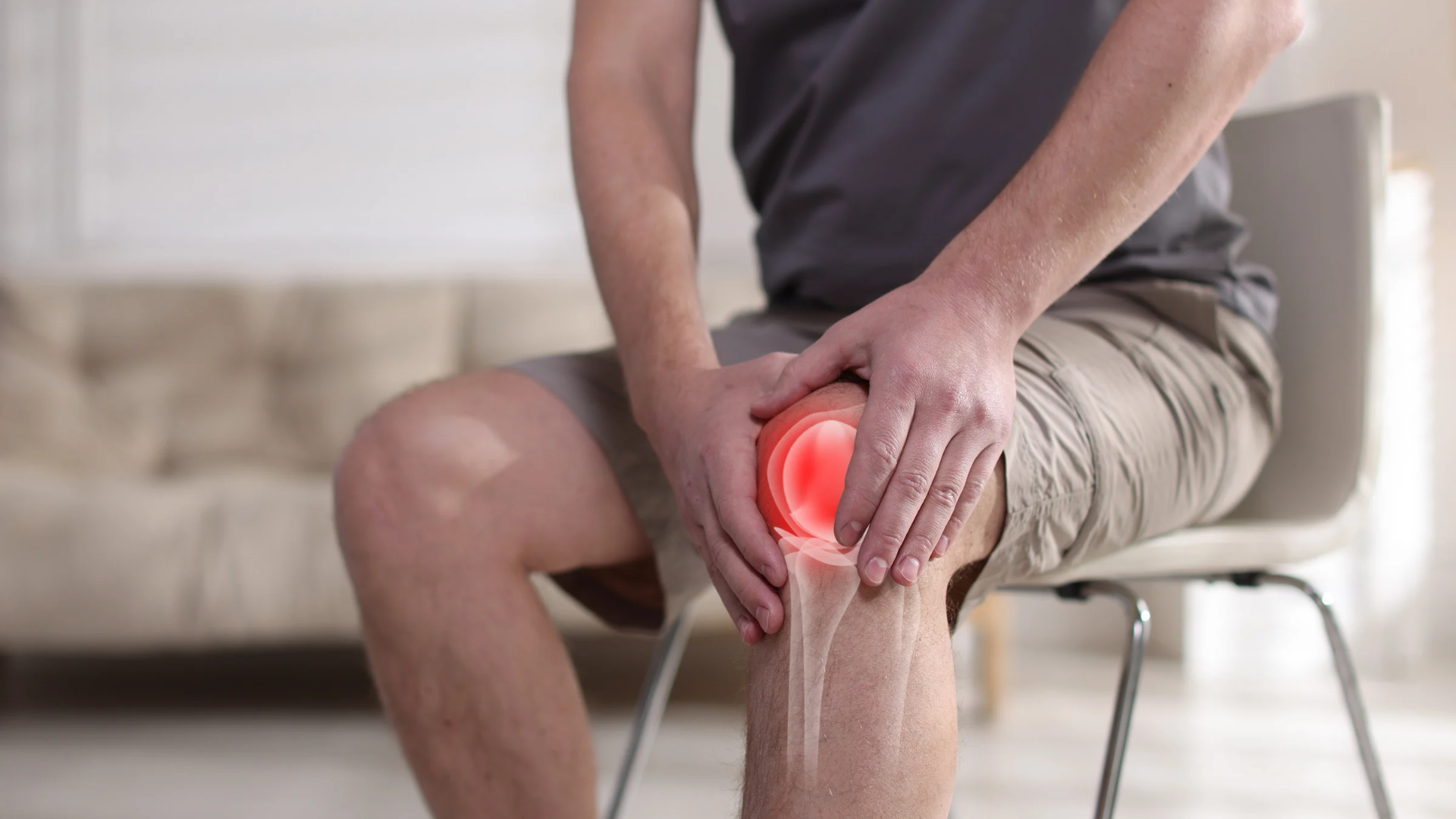
Joint pain is often treated as a problem with a simple location: your knee hurts, your shoulder feels stiff, or your neck becomes difficult to turn. But the location of the discomfort does not always tell the whole story.
A painful knee, for example, may involve changes inside the joint, irritation in a tendon, altered movement mechanics, or several contributing factors at once. Similarly, persistent neck and shoulder pain may reflect a combination of physical strain, sleep disruption, stress, and changes in how the nervous system processes pain.
Understanding these distinctions matters because different problems call for different approaches.
If you have been searching for what causes joint pain, how to decrease knee joint pain, or how to manage chronic pain, it helps to look beyond the symptom itself. The more clearly you understand what may be contributing to your discomfort, the easier it becomes to have an informed conversation about your options.
At Woodlands Natural Health, several specialized wellness approaches, including shockwave therapy, Structural Release Therapy, Prolozone, and selected IV therapies, may be explored according to individual needs and clinical suitability.
Here is what you should understand about persistent joint and musculoskeletal pain, and how these approaches differ.
What Causes Joint Pain? Start by Understanding the Structure Involved
A joint is more than the point where two bones meet. It works with cartilage, connective tissues, tendons, ligaments, muscles, nerves, and surrounding structures to allow movement and distribute physical forces.
Pain can arise from different parts of this system, and the distinction is important.
When the Joint Itself Is Involved
Conditions such as osteoarthritis affect the structures within and around a joint. In osteoarthritis, changes can involve cartilage, underlying bone, the joint lining, and other tissues.
This helps explain why joint pain is not simply a matter of cartilage wearing away. Inflammation, bone changes, muscle strength, and the way the joint responds to loading can also influence symptoms.
Knee and hip osteoarthritis may cause pain during weight-bearing activities, stiffness after inactivity, and limitations in everyday movement. However, the severity of discomfort does not always correspond directly to the extent of changes seen on an X-ray.
When the Tendons or Surrounding Tissues Are Involved
Tendons connect muscles to bones and help transfer force during movement. Repeated loading, sudden increases in activity, and insufficient recovery relative to physical demands can contribute to tendon problems.
This is different from pain caused primarily by changes inside a joint.
For instance, pain around the shoulder may be related to the rotator cuff tendons rather than the joint surface itself. Pain near the heel may involve the plantar fascia, while discomfort around the knee may involve a tendon or other surrounding structure.
This distinction is particularly relevant when exploring shockwave therapy, because its potential usefulness depends on the specific musculoskeletal condition rather than the general presence of pain.
When Movement Patterns Contribute to Discomfort
The body distributes forces across connected structures. Changes in strength, mobility, coordination, or movement habits can influence how much stress particular tissues experience.
Consider someone who experiences knee pain when climbing stairs. The knee is where the pain appears, but understanding the problem may also require looking at the hip, ankle, surrounding muscles, activity levels, and the specific structures involved.
This does not mean that every painful joint is caused by a problem elsewhere. It means that examining the painful area in isolation may not provide the complete picture.
What Causes Joint Pain All Over the Body?
When discomfort affects several joints or widespread areas of the body, it is important to consider causes beyond localized mechanical strain.
Inflammatory conditions, viral illnesses, fibromyalgia, certain medication effects, and other systemic conditions can contribute to widespread pain. Some conditions affect joints directly, while others cause pain in muscles and other soft tissues that may be mistaken for joint pain.
The pattern of symptoms can offer important clues.
For example, prolonged morning stiffness and multiple swollen joints may raise different questions from discomfort that appears primarily after repetitive activity. Widespread pain accompanied by fatigue may also warrant a different evaluation from isolated knee pain following an injury.
The key is to distinguish between localized musculoskeletal problems and conditions that affect the body more broadly.
An assessment may consider symptom patterns, medical history, physical findings, and, when appropriate, laboratory tests or imaging. This information helps determine which approaches are suitable and whether specialist medical care is needed.
What Is Chronic Pain, and Why Can It Persist?
Chronic pain generally refers to pain that continues or recurs for more than three months.
One of the most important distinctions in understanding chronic pain is that ongoing discomfort does not necessarily mean an injury is continuously worsening.
Pain involves signals from tissues, processing within the nervous system, and the brain’s interpretation of those signals. After an injury or during a persistent condition, these processes can change.
The Difference Between Tissue Damage and Pain Sensitivity
When tissue is injured, specialized nerve endings can detect potentially harmful stimuli and send signals through the nervous system. This is part of the body’s normal protective response.
In some circumstances, however, the nervous system becomes more responsive to stimulation. This is known as sensitization.
When this happens, activities or sensations that were previously comfortable may become painful, or an existing painful condition may become more difficult to manage.
This does not mean the pain is imaginary. It means the experience of pain can reflect more than the current condition of a particular tissue.
Chronic pain can involve ongoing tissue problems, changes in nervous system processing, or a combination of mechanisms. Understanding which factors may be involved can help guide a more appropriate care plan.
How Stress Contributes to Chronic Neck and Shoulder Pain
Stress can influence muscle tension, sleep quality, and pain sensitivity. During periods of prolonged stress, some people notice increased tension around the neck, jaw, and shoulders.
Poor sleep may further affect pain sensitivity and recovery, creating a cycle in which discomfort disrupts sleep and fatigue makes daily symptoms harder to manage.
However, stress should not automatically be considered the cause of persistent pain. Cervical joint problems, tendon conditions, nerve irritation, and other physical factors may also contribute.
For this reason, understanding chronic neck and shoulder pain may involve considering both the physical structures involved and the factors that influence the nervous system and recovery.
How to Decrease Knee Joint Pain: Why the Cause Matters
Knee pain is a useful example of why identifying the underlying problem matters before choosing an approach.
Two people may describe the same symptom but have different conditions.
One person may have knee osteoarthritis, with changes affecting the joint and surrounding tissues. Another may have patellar tendinopathy, which affects the tendon connecting the kneecap to the shinbone. Someone else may experience knee pain related to an acute ligament injury.
These conditions are not interchangeable, and neither are the options that may be appropriate for them.
For example, an approach studied for a particular tendon condition should not automatically be assumed to provide the same benefit for osteoarthritis.
The same principle applies to specialized therapies. Shockwave therapy may be considered for selected musculoskeletal conditions, including some tendon problems, depending on the diagnosis and available evidence.
An appropriate assessment can help clarify whether the discomfort appears to originate within the joint, involve surrounding soft tissues, or require further investigation.
The objective is not simply to reduce the sensation of pain temporarily. It is to understand the problem well enough to choose an approach that makes sense for the condition being addressed.
Four Approaches to Explore for Chronic Joint and Musculoskeletal Pain
Once the likely source of discomfort has been investigated, different approaches may be considered according to the condition, the person’s goals, and the available evidence.
The following therapies work in different ways. Understanding those differences can help you have a more informed discussion about which options may be appropriate for you.
1. Shockwave Therapy: Promoting Comfort, Mobility, and Tissue Recovery
Shockwave therapy uses acoustic pressure waves directed at specific areas of the body to stimulate a local tissue response. This non-invasive approach can help address certain musculoskeletal concerns, with potential benefits for pain relief, mobility, and tissue recovery.
Shockwave therapy is commonly used for selected tendon-related conditions and may help improve physical function, making everyday movements more comfortable.
Potential benefits include:
- Reduced discomfort associated with certain musculoskeletal conditions.
- Improved mobility and physical function.
- Stimulation of local tissue responses associated with recovery.
- Greater comfort during everyday activities.
At Woodlands Natural Health, shockwave therapy offers a non-invasive option for people looking to move more comfortably and maintain an active lifestyle.
2. Structural Release Therapy: Releasing Tension and Improving Mobility
Muscle tension and soft-tissue restrictions can affect how the body moves and feels, sometimes contributing to stiffness, discomfort, and reduced mobility.
Structural Release Therapy focuses on the body’s structural relationships and soft tissues. By addressing areas of tension and movement restriction, this approach aims to improve flexibility and promote more comfortable movement.
Potential benefits include:
- Relief from muscle tension and soft-tissue discomfort.
- Improved flexibility and range of motion.
- Less stiffness and greater ease of movement.
- Better comfort during everyday activities.
- A complementary approach to improving mobility and physical well-being.
For people experiencing neck, shoulder, back, or other musculoskeletal discomfort, addressing soft-tissue tension can be an important part of improving movement and everyday comfort.
At Woodlands Natural Health, Structural Release Therapy offers an approach focused on easing tension, improving mobility, and helping you move with greater comfort.
3. Prolozone Therapy: Supporting Joint Comfort and Function
Prolozone Therapy is an injection-based approach involving ozone and other components. It is used for certain musculoskeletal and joint-related concerns, with the goal of improving comfort and function.
The approach focuses on the local tissue environment and may help ease discomfort while supporting better movement in affected areas.
Potential benefits include:
- Relief from joint and musculoskeletal discomfort.
- Improved mobility and everyday function.
- Support for local tissue-repair processes.
- Help managing discomfort associated with certain joint and soft-tissue concerns.
- An additional option to explore as part of an individualized wellness plan.
Joint discomfort can make walking, exercising, and everyday activities more challenging. Exploring appropriate approaches can help people work toward greater comfort and a more active lifestyle.
At Woodlands Natural Health, Prolozone Therapy offers an option for individuals seeking to address joint discomfort and improve everyday mobility.
4. Wound-Healing IV Therapy: Supporting the Body’s Natural Repair Processes
The body relies on essential nutrients to maintain tissues and carry out its natural repair processes. Vitamin C contributes to collagen formation, while zinc plays an important role in normal tissue repair.
Wound-Healing IV Therapy delivers selected nutrients and other substances directly into the bloodstream, bypassing the digestive system. Depending on the formulation and individual needs, this approach can help provide nutrients involved in the body’s natural healing processes.
Potential benefits include:
- Addressing specific nutritional needs involved in tissue repair.
- Delivering selected nutrients directly into the bloodstream.
- Helping correct certain nutrient deficiencies that can affect normal healing.
- Complementing a broader approach to wound care and recovery.
Adequate nutrition plays an important role in the body’s ability to maintain and repair tissues. Providing relevant nutrients when needed helps address one of the factors involved in the healing process.
At Woodlands Natural Health, Wound-Healing IV Therapy can be explored as part of an approach focused on the body’s nutritional needs during recovery.
Why Combining Different Approaches Requires Individualization
It can be tempting to assume that combining several therapies will automatically produce a better outcome. In reality, the value of an approach depends on the problem it is intended to address.
For example, a person with a specific tendon condition may be a candidate for a musculoskeletal approach such as shockwave therapy. Someone experiencing movement-related restrictions may benefit from exploring a structural approach. An injection-based therapy raises different questions about the target tissue, evidence, and risks.
IV therapy also has a different purpose from these localized approaches.
These options should not be treated as interchangeable, nor does every person need several therapies at once.
A more useful way to think about individualized care is to ask four questions:
- What condition or contributing factor are we trying to address?
- What does the available evidence say about this approach for that specific condition?
- What outcome would indicate meaningful progress, such as improved mobility or daily function?
- How will we determine whether the approach is helping and whether the plan needs to change?
These questions create a clearer basis for discussing options and setting realistic expectations.
When Should You Seek Further Evaluation for Joint Pain?
Persistent discomfort deserves attention when it interferes with daily activities, repeatedly returns, or has no clear explanation.
Certain symptoms require more urgent assessment. A hot, swollen joint accompanied by fever, sudden severe joint pain, a significant injury, or an inability to bear weight should not be managed by simply exploring wellness therapies.
Widespread joint pain, prolonged morning stiffness, and unexplained symptoms affecting several joints may also warrant medical evaluation.
Understanding the cause is particularly important before considering injection-based approaches or assuming that a musculoskeletal therapy is appropriate.
Explore Your Options at Woodlands Natural Health
Chronic joint and musculoskeletal pain can be complex because several structures and biological processes may contribute to the same symptom.
The most useful starting point is understanding what may be driving the discomfort and identifying which approaches are relevant to that particular situation.
Woodlands Natural Health offers specialized wellness approaches, including shockwave therapy, Structural Release Therapy, Prolozone, and IV therapy options. Each has a different purpose, and suitability depends on the individual’s needs, medical history, and the specific concern being addressed.
If you are exploring options for persistent joint or musculoskeletal discomfort, a consultation can help you discuss your concerns, learn more about available services, and determine which next steps may be appropriate.
Book a Consultation with Woodlands Natural Health