
by Michael Riippa | Mar 18, 2026
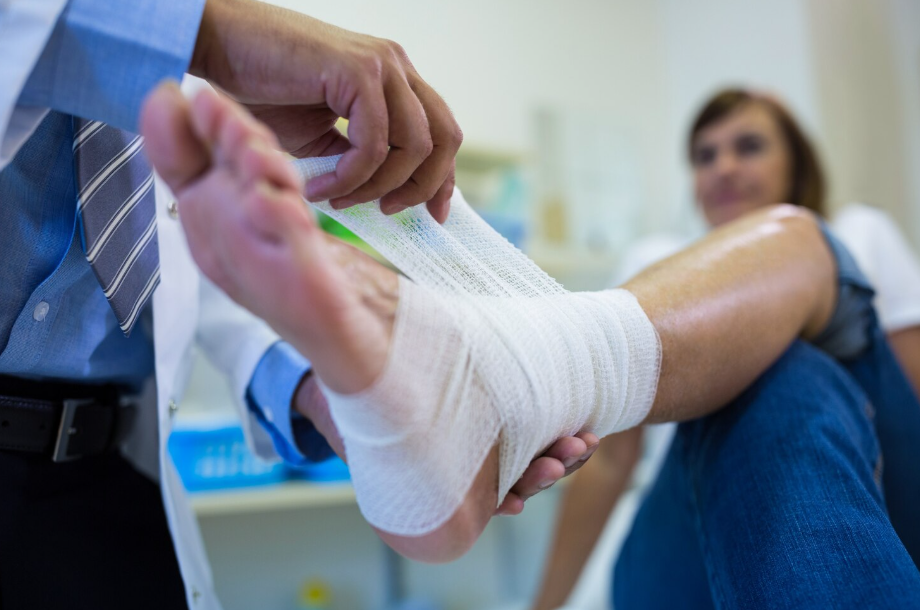
Managing pain during recovery is, well, tricky. It’s not just about popping a pill and hoping it goes away. You need to combine different approaches, and it usually works better when you know what type of pain you’re dealing with.
Acute pain hits suddenly, sharp and obvious, while ongoing pain can linger, sometimes even after the injury itself starts feeling better. Small steps like medication, therapy, and even some lifestyle changes all add up. Sometimes it helps to check in with a professional wellness center, which can guide what actually works for your situation.
It’s not just about fixing pain quickly, though. Rest, gentle movement, and pacing yourself matter a lot. You’ll notice that even small adjustments like eating anti-inflammatory foods or doing a few breathing exercises can make a difference. Recovery is a bit like a puzzle; each piece plays a role, and if you ignore one, the rest feels off.
Understanding Pain Types
So, what kind of pain are we talking about? There’s acute pain, the sharp, “ouch, that hurts now” kind, and then there’s persistent pain, which just hangs around, sometimes even after the injury starts to heal.
Acute pain usually needs immediate attention, rest, ice, maybe compression, and elevation. Persistent pain is more subtle, and it often needs a mix of things: gentle exercises, relaxation techniques, and lifestyle adjustments.
Knowing what you’re experiencing helps you decide what to do next. If you ignore the type of pain, your recovery can drag. A little awareness goes a long way. It also prevents doing too much too soon or not enough.
Medication Management
Medications are one tool in the toolbox, but they aren’t everything. Following your doctor’s instructions matters a lot; you can’t just take more and hope for faster relief. NSAIDs like ibuprofen help with inflammation, while acetaminophen is good for general pain. It’s worth mentioning any side effects you notice; your healthcare team needs to know.
Medication works best alongside other approaches. A few stretches, gentle exercises, or even some deep breathing can make a noticeable difference. It’s kind of like stacking small advantages; you don’t rely on just one. And, honestly, it feels better to be actively doing something rather than waiting for pills to do all the work.
Physical Therapy Benefits
Physical therapy is a game-changer for pain and recovery. Moving the right way improves flexibility, strength, and range of motion. Targeted exercises help reduce pain and prevent future injuries. The therapist usually gives you a plan that fits your needs, so you’re not just guessing.
Therapy also teaches you skills you can use on your own. Learning how to manage discomfort, stretch safely, and strengthen muscles gives long-term benefits. Plus, you notice progress more clearly when you follow a plan rather than winging it. Little wins matter here.
Mind-Body Connection
Pain isn’t just physical. Thoughts, emotions, and body sensations all mix together, and that affects how we experience discomfort. Mindfulness, deep breathing, or visualizing your muscles relaxing can actually help. Sometimes, just slowing down and noticing your body makes pain easier to handle.
Keeping a positive outlook doesn’t fix everything, but it helps. Doing small, enjoyable things, even while you’re healing, can change how much the pain bothers you. The mind-body approach complements medication and therapy; it’s all part of the bigger picture.
Lifestyle Adjustments
Changing daily habits can make a surprising difference. Moving a bit every day, even gently, keeps muscles flexible and joints mobile. Eating foods that reduce inflammation, like fruits, vegetables, and omega-3s, can help in the background. Sleeping well and taking moments to relax support your body’s natural healing.
Meditation, or just sitting quietly and focusing on breathing, can shift your attention from the pain. You might think it’s too simple to help, but it often does. The key is consistency. Doing a bit every day adds up over time.
Support System Importance
Having people around makes a big difference. Friends, family, or support groups provide encouragement and a sense that you’re not alone. Sharing your experience, even the frustrating parts, can ease stress.
Support also helps keep you on track. If someone checks in or joins you for light exercises, it’s easier to follow your plan. Recovery is easier when it feels like a shared effort. Even small reminders and companionship count.
Related Topics:
by Michael Riippa | Mar 18, 2026
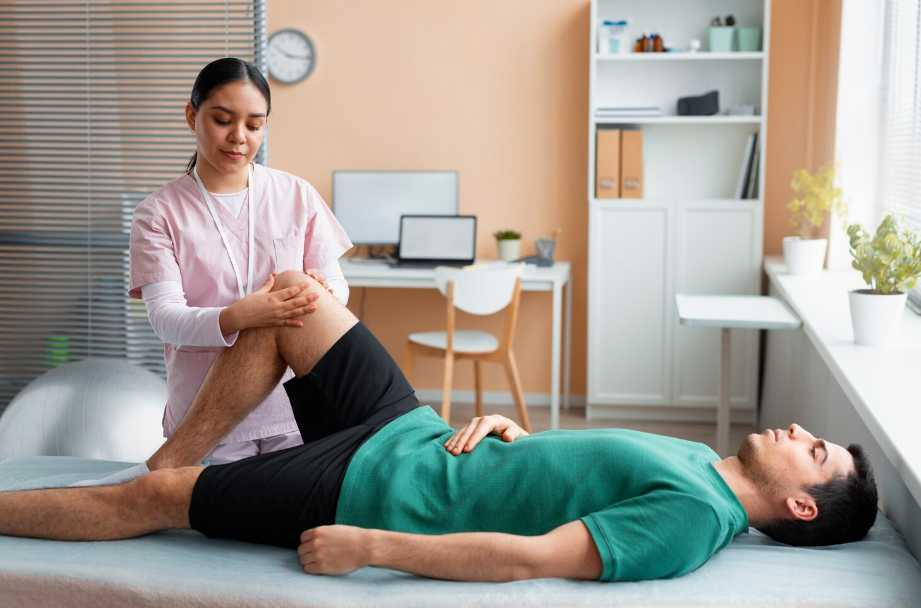
Recovering from an Achilles injury is unpredictable, you know. How long it takes depends on how serious the injury is, your age, overall health, and how closely you follow rehab. Mild injuries might heal in a few weeks, while more severe ones can take months.
Therapy, gradual activity, and paying attention to your body all play a part. Eating well, staying hydrated, and getting proper rest help too. Even visiting an integrative wellness center can give guidance on what exercises and care work best for your specific injury. You can’t just push through or hope it fixes itself.
Early stages usually involve controlling pain and swelling. Ice, rest, and gentle elevation are common, and they really do make a difference. Moving a little, when approved by a professional, helps prevent stiffness. It’s tempting to do too much too soon, but patience matters.
Factors Affecting Recovery Time
Not every Achilles injury is the same, obviously. How bad it is makes a huge difference. A small strain heals faster than a rupture. Your body’s own healing ability matters too. Some people seem to bounce back faster, while others drag a bit, even with the same care.
Doing exercises consistently really matters. Skipping or overdoing them can set you back. Age, previous injuries, and lifestyle choices also affect how long it takes. Mental patience counts too. Worrying about speed doesn’t help, honestly.
Typical Timeline for Healing
The timeline is more of a rough guideline. The first couple of weeks are usually about rest, ice, and gentle elevation. Then light stretching and easy exercises slowly come in to regain movement. It’s tempting to push too fast, but overdoing it can hurt.
After around six weeks, more focused rehab happens. Strength, flexibility, and functional movements come next. Some days feel like big progress; others are slow. That’s normal; you have to notice what your body tells you.
Different Stages of Recovery
Recovery usually happens in phases. First, you reduce pain and swelling. That’s mostly rest and careful care. It’s boring but necessary.
Next, controlled movement starts. Light stretches, tiny exercises, just testing the tendon. You notice little improvements, which are satisfying.
Functional rehab comes next. Walking, daily activities, and balancing work. Slowly retrain your tendon to handle normal forces again. It can feel frustrating, but small gains add up.
Finally, sport-specific or high-intensity work. Agility drills and targeted exercises to get back to full activity. Skipping steps can be risky, so take it slow.
Managing the Injury
Management mixes rest, therapy, and gradual return to activity. Rest is critical early on. Therapy strengthens the tendon and surrounding muscles. Moving gradually prevents stiffness and re-injury.
Supportive shoes or orthotics sometimes help. They stabilize the tendon during everyday activities; following guidance matters. Skipping advice or rushing can cause problems later.
Even small habits help. Sleep, nutrition, and pacing your activity all quietly make recovery smoother.
Strategies to Speed Up Recovery
Targeted exercises help, but slowly. Calf raises, heel drops, and ankle stretches build strength. Cross-training, like swimming, keeps fitness up without stressing the tendons too much.
Increasing intensity too fast can backfire. Little, steady progress usually wins. Rest and proper nutrition quietly support the body’s repair. The little things add up week by week.
Consistency is more important than speed. Even slow progress is real progress. Patience is the hidden part of recovery.
Monitoring Progress and Preventing Re-Injury
Pay attention to swelling, pain, and mobility. Your body gives signals; you have to notice.
Return to activity gradually. Start easy and increase slowly. Don’t ignore discomfort; it’s a warning.
Check-ins with a therapist or doctor help catch problems early. Small adjustments now save bigger setbacks later. Recovery is slow and messy, but careful monitoring really lowers the risk of re-injury.
Related Topics:
by Michael Riippa | Mar 18, 2026
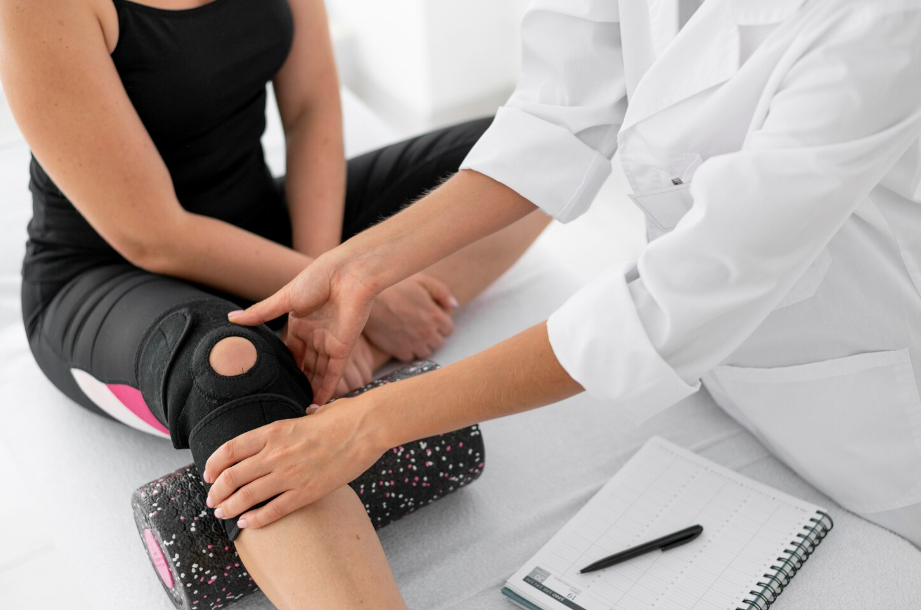
Recovering from a groin injury can be tricky. Some people heal quickly, others take longer, and it depends on how bad the injury is. Usually, at the start, it’s all about rest, ice, and keeping the area elevated. These first days are really about calming inflammation and letting the body focus on repair.
After that, you can move slowly. Gentle stretches or light walking can help, but only if it doesn’t hurt too much. Strengthening and flexibility exercises usually come around the six-week mark, depending on progress. Eating well and staying hydrated also support recovery.
Checking in with a comprehensive wellness center can help you figure out what your body actually needs. Sometimes it’s confusing to know if you’re doing too much or too little. They can guide you and help prevent mistakes that slow healing. You can’t just guess and hope for the best.
Factors Affecting Recovery Time
Not every groin injury is the same. The severity matters a lot; a small strain isn’t the same as a tear. Healing ability is another factor. Some people naturally recover faster than others, even with similar medications.
Doing your exercises consistently is huge. Skipping sessions or pushing too hard can actually set you back. Rest also matters; it’s not just lying on the couch, it’s real downtime for your tissues. Listening to your body is part of the process and keeps things moving forward.
Other things, like age and previous injuries, also play a role. Everyone has a slightly different timeline, so comparing yourself to others isn’t always helpful. What works for someone else might not work for you. The key is steady, patient progress.
Typical Recovery Timeline
The timeline is more of a guideline than a strict schedule. The first couple of weeks focus on rest, ice, and gentle elevation to control swelling. Then, light stretching and low-intensity exercises start to get your range of motion back. This stage is all about testing your tolerance.
Around six weeks, more intense rehab is introduced. Strengthening exercises and flexibility work help restore full function. Some days feel like progress, others slower, and that’s normal. Paying attention to how your groin responds is essential.
You want to avoid overdoing it, because that can undo progress. Gradual progression is safer than rushing. Even small improvements count. Steady, consistent effort really pays off in the long run.
Rehabilitation Exercises and Techniques
Exercises are what help the groin recover long-term. Gentle hip flexor stretches, adductor squeezes, bridges, and clamshells are common. Start small, just a few reps at first. Overdoing it too soon can cause more harm than good.
Ice therapy can reduce swelling after exercise, and heat may help loosen tight muscles. Everyone reacts differently, so you’ll need to pay attention. A physical therapist can guide you safely. Doing the exercises consistently, even if slowly, is what really helps.
It might feel repetitive or boring, but that’s part of recovery. Muscle strength and flexibility take time to rebuild. Every little bit counts. And trust me, skipping this step makes everything harder later.
Importance of Rest and Recovery
Rest is more than just not moving. It’s giving your body real time to focus energy on repair. Sleeping well and taking breaks during the day helps tissues rebuild and inflammation subside.
Skipping rest can slow healing. Even small activities done too early can set you back. It might feel boring, but it works. Recovery is about patience and letting your body do its thing.
Rest also helps prevent re-injury. Your muscles and ligaments need time to get strong again. It’s not wasted time, even if it feels like it. Doing a little less now pays off later.
Return to Physical Activity Guidelines
When you start feeling better, activity can slowly return. Begin with low-impact movements, like walking or swimming. Don’t push it too hard. Pain is a signal to back off.
Gradually increase intensity and duration. Stretching and strengthening remain important even as you return to normal activity. Warming up and cooling down are simple steps that prevent surprises.
Taking it slow might feel frustrating, but it actually keeps progress steady. Your groin can’t handle a sudden jump to full activity. Gradual increases are safer and more effective in the long run.
Seeking Professional Medical Advice
If pain or swelling lingers, see a healthcare provider. They can figure out exactly what’s going on and make a plan. Early guidance prevents setbacks.
A proper assessment can change how you approach rehab. Sometimes small adjustments make a big difference in recovery. Professionals help you progress safely and avoid re-injury.
Even if you think it’s minor, checking in is smart. You’ll get peace of mind and a better idea of what your body actually needs. It’s usually better than guessing and risking more pain.
Related Topics:
by Michael Riippa | Mar 18, 2026
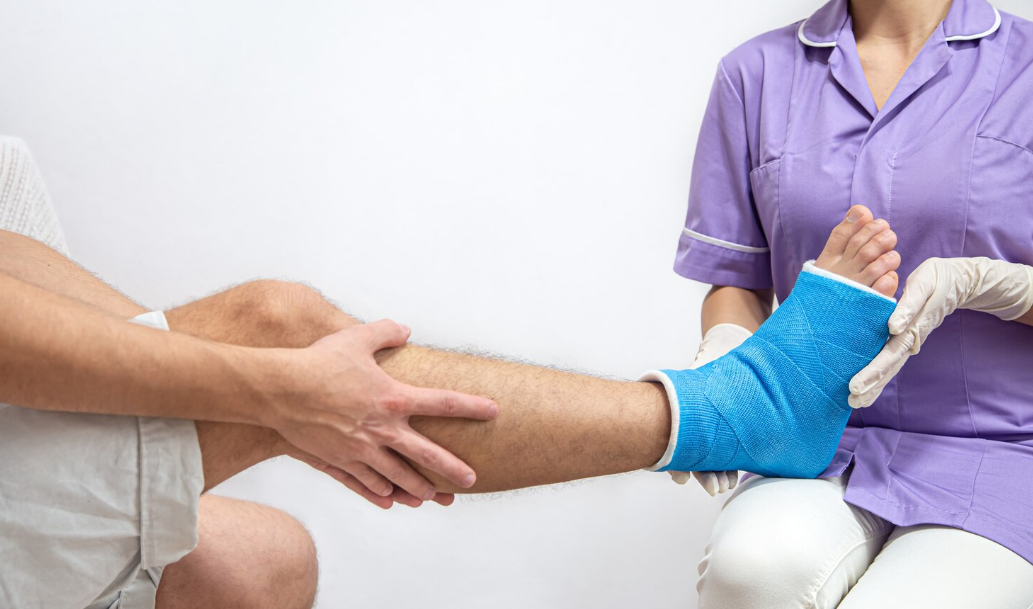
Recovering from a knee injury can feel really slow. Like, some days you wonder if it’s even moving at all. But there are a few things that actually help, even if they seem small or obvious.
Resting, eating right, and moving carefully all work together. Having guidance helps a lot. A Tomball, TX, holistic wellness center can make a difference because they show you what’s actually needed. You can’t just sit around and hope for the best.
Rest and Elevation
Rest doesn’t just mean lying on the couch. Your knee needs real downtime to fix itself. Elevating it helps with swelling. It’s that fluid that seems to hang around otherwise.
Even a few pillows can help. Don’t worry about doing it perfectly; just do it often. Little adjustments during the day really add up; you’ll notice it.
And yeah, sometimes you need extra rest after walking or doing a little activity. It helps the body focus on repairing the tissues.
Rehabilitation Exercises
When your knee can move a bit, exercises matter. They strengthen muscles and get flexibility back. People often skip this part, but it’s important.
Leg lifts, squats, and hamstring curls, slow and careful is the key. Go too fast, and you might hurt it again.
Even a little bit each day counts. A therapist or trainer can help you avoid guessing wrong and causing setbacks.
Proper Nutrition
Eating right actually speeds healing more than people think. Protein, vitamins, and minerals rebuild tissues and fight inflammation. Leafy greens, berries, and nuts all help.
Lean protein, like chicken or fish, rebuilds muscles. Calcium and magnesium support bones. And don’t forget water; it keeps joints moving.
Even small tweaks in diet add up over time. You’ll notice your energy and recovery feel better.
Pain Management Techniques
Pain can make you want to stop everything, but it actually helps if you manage it. Ice, gentle compression, and rest reduce swelling. Low-impact activity like swimming or cycling keeps you moving without stressing the knee.
Strengthening the surrounding muscles slowly adds stability. Breathing exercises or light stretches help when pain is frustrating. Mixing these things usually works better than doing only one.
Lifestyle Modifications
Daily habits really change how fast your knee heals. Anti-inflammatory foods help, keeping a healthy weight helps, and sleep matters because your body fixes itself while you’re asleep.
Little things like a regular bedtime or a cozy sleep space matter. Even posture counts. Over time, these tweaks make a noticeable difference.
Patience and Consistency
Recovery isn’t a straight line. Some days feel great; others feel worse. Patience is key, but following the plan matters more. Small goals help you track progress without getting discouraged.
Stick to your exercises, get your rest, eat well, and be a bit patient. Over time, all of this adds up. Rushing doesn’t help; it usually makes things slower.
Related Topics:
by Michael Riippa | Mar 18, 2026
When you get hurt, the first thing on your mind is how to bounce back quickly. The body actually responds best when a few things are done together rather than one at a time. Sleep matters a lot; it’s when tissues repair themselves. Eating well gives your cells the fuel they need, and gentle rehab exercises make sure you’re healing without going backward. A local wellness center in Tomball, TX, can really help guide this process.
Healing speed depends on more than rest. Most people don’t think about the little things until they’re stuck on the couch. True rest isn’t just lying there; it’s deep, quality sleep that lets your body focus on fixing what’s broken. Even small tweaks, like timing your meals or moving carefully, can make a difference.
The Foundation: Rest and Sleep Quality
Getting adequate rest after an injury isn’t negotiable. During sleep, your body releases growth hormone and increases protein synthesis, both critical for tissue repair. This process happens most efficiently when you’re not forcing your injured area to work overtime, dealing with daily stresses.
Sleep quality matters more than just quantity here. Deep sleep phases allow your body to focus completely on healing rather than managing the constant demands of staying active. Pushing through pain or returning to regular activities too quickly can actually set back recovery by weeks.
The key is listening to what your body’s telling you – that nagging discomfort isn’t just an inconvenience; it’s your healing system asking for more time and energy.
Strategic Nutrition for Repair
Your healing process runs on fuel, and not all foods provide the same octane level for recovery. Protein becomes the star player since it supplies amino acids needed for rebuilding damaged tissue. Think lean meats, fish, eggs, and plant-based options like lentils.
Anti-inflammatory foods can help reduce the swelling that often slows healing. Fatty fish rich in omega-3s, berries packed with antioxidants, and leafy greens loaded with vitamins all support your body’s natural repair mechanisms.
Vitamin C helps with collagen production – that’s the stuff that holds your tissues together. Citrus fruits, bell peppers, and strawberries are solid choices. Zinc, found in nuts and seeds, plays a role in immune function and wound healing.
Hydration: The Forgotten Accelerator
Water does more heavy lifting in recovery than most people realize. It transports nutrients to injured areas, helps remove metabolic waste, and maintains the fluid balance needed for optimal cellular function.
Dehydration can actually slow down healing because your body can’t efficiently deliver the raw materials needed for repair. Aim for 8-10 cups daily, more if you’re dealing with inflammation or doing rehabilitation exercises.
Fresh fruits and vegetables contribute to your fluid intake while providing recovery-supporting nutrients. It’s a two-for-one deal that your healing body will appreciate.
Professional-Guided Rehabilitation
Rehabilitation exercises, when properly guided by a healthcare professional, can actually speed up healing rather than hinder it. The right movements promote blood flow to injured areas, prevent stiffness, and gradually restore function without causing re-injury.
This isn’t about pushing through pain or forcing progress. A skilled physical therapist can design a program that works with your body’s healing timeline, progressively increasing challenge as tissues strengthen.
Range of motion exercises, controlled strengthening movements, and balance training all serve different purposes in the recovery process. The key is having someone who understands tissue healing guide these decisions.
Smart Pain and Swelling Management
Managing pain and swelling effectively creates better conditions for healing. Ice therapy during the first 48-72 hours can reduce inflammation and provide relief. After that initial period, alternating between cold and heat might be more beneficial.
Nonsteroidal anti-inflammatory drugs like ibuprofen can help, but they should be used strategically and not as a long-term solution. Always follow dosage recommendations and consult with healthcare providers about the best approach for your specific situation.
Pain management isn’t about eliminating all discomfort – some level of sensation helps you understand your body’s limits and prevents re-injury.
Maintaining General Fitness
Staying active in pain-free areas helps maintain overall cardiovascular health and prevents the deconditioning that can slow recovery. If you’ve injured your ankle, upper body exercises might still be appropriate. A shoulder injury doesn’t necessarily sideline all lower-body movement.
The goal is to maintain circulation, muscle strength in unaffected areas, and mental well-being without compromising the injured region. This balanced approach prevents the secondary problems that can develop when you become completely sedentary.
Avoiding Common Recovery Mistakes
The biggest mistake in injury recovery? Pushing too hard, too soon. That weekend warrior mentality that might have contributed to the injury in the first place can definitely sabotage the healing process.
Progressive loading is the name of the game. Your tissues need time to adapt to increasing demands. Jumping back into full activity before you’re ready often leads to setbacks that extend recovery time beyond the original timeline.
The Mind-Body Recovery Connection
Your mental approach to healing influences physical outcomes more than you might expect. Stress, anxiety, and negative thinking can actually slow tissue repair by affecting hormone levels and immune function.
Relaxation techniques like deep breathing, gentle meditation, or even just spending time in nature can support the healing process. When your nervous system is calm, your body can dedicate more resources to repair rather than stress management.
Recovery isn’t just about the injured area – it’s about creating optimal conditions throughout your entire system for healing to occur efficiently.
Contact Us
Looking to improve your wellness with holistic, natural health services? Woodlands Natural Health is here to help you begin your healing journey.
Phone: 936-224-4948
Address: 25420 Kuykendahl Rd., Suite D100 Tomball, TX 77375
Hours (By Appointment):
- Monday, Tuesday, Thursday: 9 AM – 6 PM
- Wednesday: 9 AM – 5 PM
- Friday: 9 AM – 4 PM
- Saturday & Sunday: Closed
Website: Visit woodlandshealth.org for more details and to access their contact form. Whether you want to schedule a consultation or learn more about their therapies, give them a call or use the website form to get in touch.
Related Topics:
