
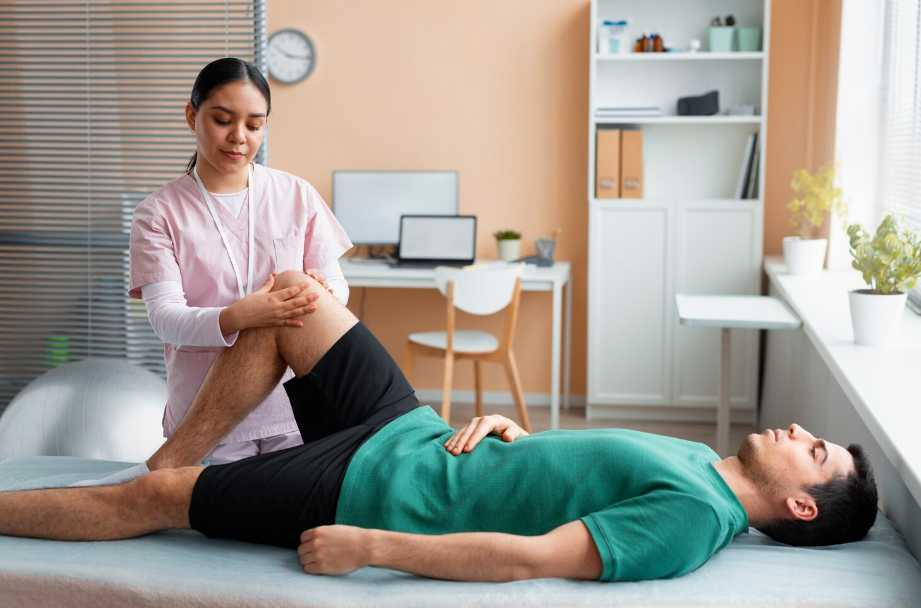
Recovering from a groin injury can be tricky. Some people heal quickly, others take longer, and it depends on how bad the injury is. Usually, at the start, it’s all about rest, ice, and keeping the area elevated. These first days are really about calming inflammation and letting the body focus on repair.
After that, you can move slowly. Gentle stretches or light walking can help, but only if it doesn’t hurt too much. Strengthening and flexibility exercises usually come around the six-week mark, depending on progress. Eating well and staying hydrated also support recovery.
Checking in with a comprehensive wellness center can help you figure out what your body actually needs. Sometimes it’s confusing to know if you’re doing too much or too little. They can guide you and help prevent mistakes that slow healing. You can’t just guess and hope for the best.
Factors Affecting Recovery Time
Not every groin injury is the same. The severity matters a lot; a small strain isn’t the same as a tear. Healing ability is another factor. Some people naturally recover faster than others, even with similar medications.
Doing your exercises consistently is huge. Skipping sessions or pushing too hard can actually set you back. Rest also matters; it’s not just lying on the couch, it’s real downtime for your tissues. Listening to your body is part of the process and keeps things moving forward.
Other things, like age and previous injuries, also play a role. Everyone has a slightly different timeline, so comparing yourself to others isn’t always helpful. What works for someone else might not work for you. The key is steady, patient progress.
Typical Recovery Timeline
The timeline is more of a guideline than a strict schedule. The first couple of weeks focus on rest, ice, and gentle elevation to control swelling. Then, light stretching and low-intensity exercises start to get your range of motion back. This stage is all about testing your tolerance.
Around six weeks, more intense rehab is introduced. Strengthening exercises and flexibility work help restore full function. Some days feel like progress, others slower, and that’s normal. Paying attention to how your groin responds is essential.
You want to avoid overdoing it, because that can undo progress. Gradual progression is safer than rushing. Even small improvements count. Steady, consistent effort really pays off in the long run.
Rehabilitation Exercises and Techniques
Exercises are what help the groin recover long-term. Gentle hip flexor stretches, adductor squeezes, bridges, and clamshells are common. Start small, just a few reps at first. Overdoing it too soon can cause more harm than good.
Ice therapy can reduce swelling after exercise, and heat may help loosen tight muscles. Everyone reacts differently, so you’ll need to pay attention. A physical therapist can guide you safely. Doing the exercises consistently, even if slowly, is what really helps.
It might feel repetitive or boring, but that’s part of recovery. Muscle strength and flexibility take time to rebuild. Every little bit counts. And trust me, skipping this step makes everything harder later.
Importance of Rest and Recovery
Rest is more than just not moving. It’s giving your body real time to focus energy on repair. Sleeping well and taking breaks during the day helps tissues rebuild and inflammation subside.
Skipping rest can slow healing. Even small activities done too early can set you back. It might feel boring, but it works. Recovery is about patience and letting your body do its thing.
Rest also helps prevent re-injury. Your muscles and ligaments need time to get strong again. It’s not wasted time, even if it feels like it. Doing a little less now pays off later.
Return to Physical Activity Guidelines
When you start feeling better, activity can slowly return. Begin with low-impact movements, like walking or swimming. Don’t push it too hard. Pain is a signal to back off.
Gradually increase intensity and duration. Stretching and strengthening remain important even as you return to normal activity. Warming up and cooling down are simple steps that prevent surprises.
Taking it slow might feel frustrating, but it actually keeps progress steady. Your groin can’t handle a sudden jump to full activity. Gradual increases are safer and more effective in the long run.
Seeking Professional Medical Advice
If pain or swelling lingers, see a healthcare provider. They can figure out exactly what’s going on and make a plan. Early guidance prevents setbacks.
A proper assessment can change how you approach rehab. Sometimes small adjustments make a big difference in recovery. Professionals help you progress safely and avoid re-injury.
Even if you think it’s minor, checking in is smart. You’ll get peace of mind and a better idea of what your body actually needs. It’s usually better than guessing and risking more pain.
Related Topics: