by Michael Riippa | Mar 18, 2026
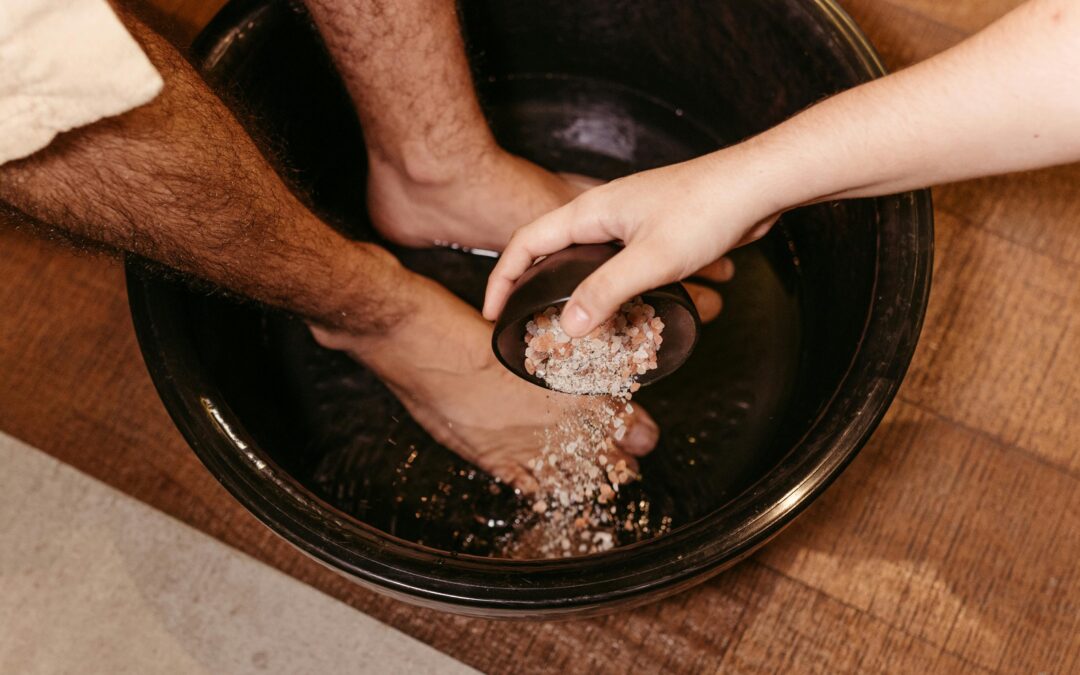
Ionic foot detox is a therapy in which your feet soak in saltwater while a gentle electric current helps pull toxins from your body. This therapy has gained popularity at many wellness facilities for its calming effects and potential health benefits. A trusted wellness center can walk you through the process and help determine if it’s a good fit for you.
This post covers how ionic foot detox works, what benefits it may offer, possible side effects, and how to prepare for a session. If you’ve been curious about trying it, this breakdown gives you the full picture.
What Is Ionic Foot Detox?
Ionic foot detox is a therapy where you soak your feet in a saltwater solution while a small electrical current passes through the water. This process creates positively charged ions that are believed to attract and neutralize toxins in the body, pulling them out through the feet. The feet connect to many organs and systems in the body, which makes them a natural pathway for cleansing. By helping remove impurities and promoting balance, ionic foot detox supports overall wellness and energy levels. It’s a gentle method that fits easily into a regular health routine.
How Does It Work?
The process starts by placing your feet in a saltwater solution while a small electrical current runs through it. This triggers ionization, separating charged particles in the water and creating positive and negative ions. These ions attract toxins and impurities in the body, drawing them out through the skin on your feet. As your body absorbs these ions, they can help rebalance energy levels, improve circulation, and support general well-being. The gentle ionic cleanse promotes relaxation and may help reduce inflammation. Many people find the experience soothing and refreshing. Understanding how it works can give you a better appreciation for what this practice offers.
Benefits of Ionic Foot Detox
The benefits of ionic foot detox go beyond relaxation and may contribute to better overall wellness. Here are three key benefits to keep in mind:
- Detoxification: By helping to pull toxins out through the feet, this process supports the body’s natural cleansing and promotes a healthier internal environment.
- Improved Circulation: Ionic foot detox may help blood flow more efficiently, which means better oxygen and nutrient delivery to cells throughout the body.
- Stress Reduction: This therapy can lower stress levels by promoting relaxation and a sense of calm, which matters for maintaining good health.
These potential benefits make ionic foot detox worth considering as part of your wellness routine.
Potential Side Effects
While ionic foot detox is generally safe, some people may experience mild side effects such as fatigue, headaches, or dizziness. These effects are usually temporary and often tied to the body’s detox process. Staying well-hydrated during and after therapy helps flush toxins and reduces the risk of these side effects. If you have concerns about trying ionic foot detox, it’s a good idea to talk to a healthcare professional before starting. Knowing what to expect can help you prepare and decide if this detox method is right for you.
Who Should Avoid It?
People with certain medical conditions or health concerns should be careful about trying the ionic foot detox. While the therapy works well for many, it may not suit everyone. Here are three reasons why some people should skip it:
- Pregnant Women: The effects of ionic foot detox during pregnancy haven’t been studied enough, so it’s best to play it safe.
- People with Open Sores or Wounds on Their Feet: The process involves soaking your feet in water, which could lead to infections if you have open wounds.
- Those with Implantable Devices: The ions produced during detox could interfere with devices like pacemakers, posing a health risk.
If you fall into any of these categories, talk to a healthcare professional before booking a session.
How to Prepare for a Session
Getting ready for an ionic foot detox session is pretty straightforward. Drink plenty of water beforehand to keep your body hydrated and help it detoxify more efficiently. Avoid heavy meals right before your appointment, as they can make you feel uncomfortable during the therapy. Wear loose, comfortable clothing so you can relax and get the most out of the experience. Before your session, take a few deep breaths and set your intentions for the detox. Being mentally prepared can make the therapy feel more effective. Following these simple steps helps you get the best results from your ionic foot detox session.
Related Topics:
by Michael Riippa | Mar 18, 2026
Your body has built-in systems designed to flush out toxins, but sometimes they need a little help to work at full capacity. The lymphatic system, liver, kidneys, colon, and skin all play a role in how well your body handles detoxification. A leading wellness center’s approach focuses on supporting all of these pathways together rather than targeting just one.
This post covers practical ways to support each system through hydration, diet, exercise, and stress management. We’ll also look at supplements and techniques that can give your detox efforts an extra push.
Importance of Drainage Pathways
The drainage pathways in your body, including the lymphatic system, liver, kidneys, and skin, work together to remove toxins and waste. Your lymphatic system acts like an internal drainage network, moving fluid that carries cellular waste for filtration. The liver processes toxins to make them safer for your body to eliminate, while the kidneys filter blood and remove waste through urine. Even your skin gets in on the action by pushing toxins out through sweat. Understanding how these systems connect helps you take better care of them and keep detoxification running smoothly.
Liver Support for Detox
Supporting your liver matters a lot for how well your body handles detox. The liver does the heavy lifting by processing and filtering toxins out of your system. To help it do its job, eat a diet packed with antioxidants, vitamins, and minerals. Foods like leafy greens, cruciferous vegetables, berries, and turmeric all support liver health. Staying hydrated, exercising regularly, and managing stress also support liver function. Supplements like milk thistle, N-acetylcysteine, and dandelion root may give your liver extra support during detox. Putting your liver health first sets up the rest of your detox pathways for success.
Boosting Lymphatic System Function
Getting your lymphatic system moving helps your body clear out toxins more efficiently. Here are four ways to keep lymph flowing:
- Stay Hydrated: Drinking enough water helps maintain balanced lymph fluid and supports circulation throughout the system.
- Regular Exercise: Physical activity gets lymph moving and helps push toxins out of your body.
- Healthy Diet: Eating foods rich in antioxidants and nutrients provides your lymphatic system with the fuel it needs to function well.
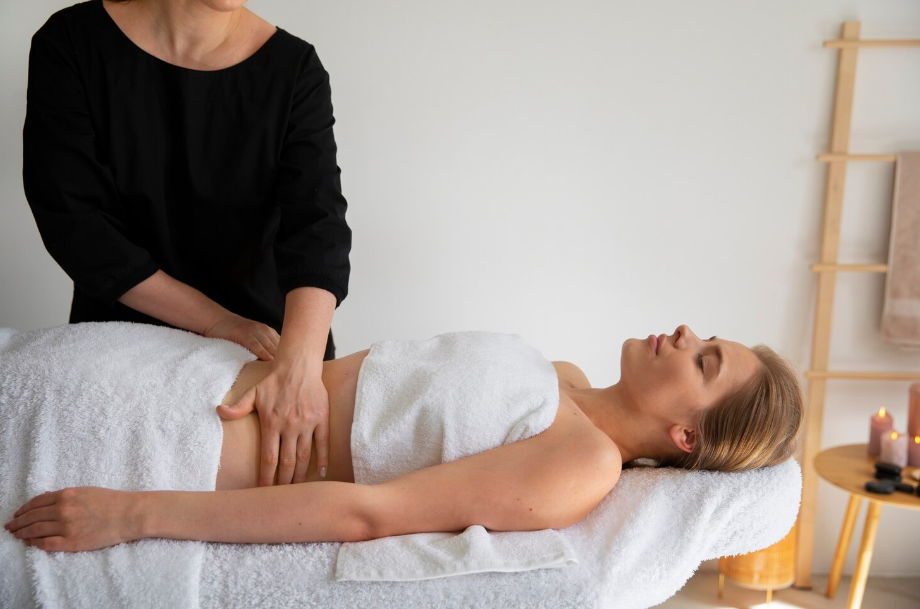
- Lymphatic Massage: This specialized massage technique stimulates lymph flow and supports the body’s natural detox processes.
Enhancing Kidney Health
Your kidneys filter waste and toxins from your blood, balance electrolytes, and help regulate blood pressure. To keep them healthy, hydration comes first. Drinking enough water throughout the day supports proper filtration and helps flush toxins out. A balanced diet low in sodium and high in nutrients, such as antioxidants, also benefits kidney function. Regular exercise improves blood flow to the kidneys, supporting their detoxification function. Making these habits part of your daily routine helps your kidneys perform at their best.
Colon Cleansing Techniques
Keeping your colon clean supports digestive health and overall well-being. Here are four straightforward techniques to maintain colon health:
- Hydration: Drinking plenty of water each day softens stool and keeps bowel movements regular.
- High-Fiber Diet: Eating fruits, vegetables, and whole grains helps your digestive system run smoothly.
- Probiotics: Adding probiotic-rich foods like yogurt or kefir helps balance gut bacteria and improve colon function.
- Regular Exercise: Staying active helps stimulate bowel movements and reduces the risk of constipation.
Holistic Approaches to Detox
Taking a whole-body approach to detox provides a more comprehensive way to support your body’s natural cleansing processes. This means addressing physical symptoms along with mental and emotional health. Practices like mindful eating, regular exercise, proper hydration, and stress management all promote overall wellness and help your body detox more effectively. Herbal supplements and teas, dry brushing, and sauna sessions can also help your body push out toxins. Talk to healthcare professionals or certified practitioners before starting any detox program to make sure it’s safe and right for you. A well-rounded approach to detoxification leads to lasting health benefits and better overall well-being.
Related Topics:
by Michael Riippa | Mar 18, 2026
Your lymphatic system plays a big role in keeping your body healthy and free of toxins. When it’s working properly, you feel more energized, and your immune system stays strong. Many people visit their local wellness center to learn techniques that support lymphatic health.
This post covers practical ways to detox your lymphatic system through diet, exercise, massage, and stress relief. These strategies work together to help your body flush out waste and function at its best.
Benefits of Lymphatic Drainage Detox
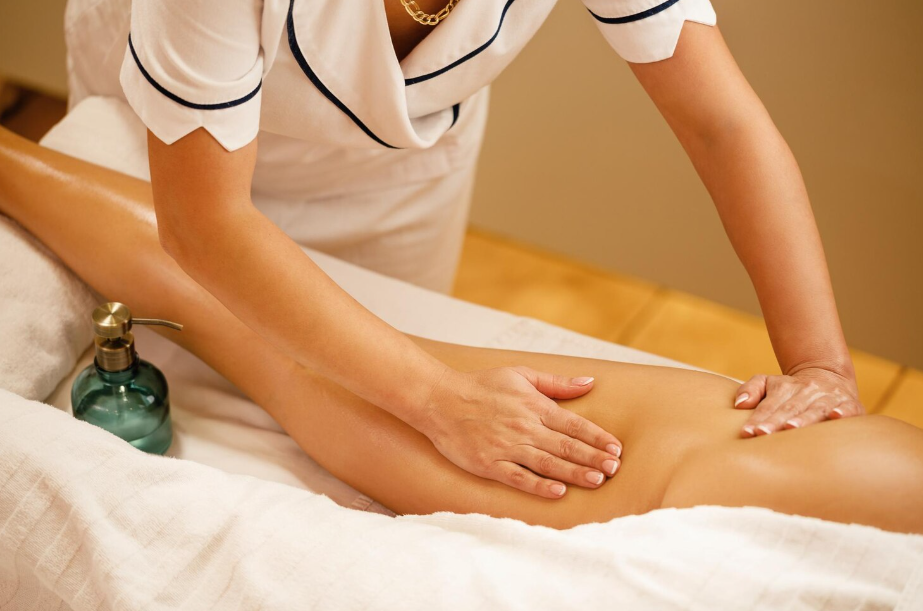
Adding a lymphatic drainage detox to your routine can bring real benefits, like improved circulation and reduced swelling. This gentle massage technique stimulates the lymphatic system to remove toxins and excess fluids from your body, supporting your overall health. It can also boost your immune system by improving the flow of lymphatic fluid, which carries infection-fighting white blood cells. Lymphatic drainage helps calm inflammation and promotes tissue healing, making it a solid addition to any wellness plan. Regular sessions can lead to more energy, better skin, and a general sense of well-being.
Diet and Hydration Recommendations
Your diet and hydration habits directly affect how well your lymphatic system works. Staying properly hydrated is a key aim: aim for 8-10 glasses of water daily to help flush out toxins and keep the lymph flowing. Foods with high water content, like cucumbers, watermelon, and leafy greens, also support a healthy lymphatic system. Cutting back on processed foods, sugar, and alcohol takes pressure off your lymphatic system so it can do its job better. Stick to whole, nutrient-packed foods like fruits, vegetables, lean proteins, and healthy fats to keep things running smoothly. A balanced diet and plenty of water go a long way in supporting lymphatic drainage and your overall health.
Exercise and Movement Strategies
Getting regular exercise into your routine is a must for lymphatic drainage. Physical activity stimulates the lymphatic system, helping remove toxins and waste products from your body. Here are three solid ways to get your lymph moving through exercise:
- Cardiovascular Workouts: Activities like brisk walking, running, or cycling get your heart rate up and promote lymphatic circulation.
- Strength Training: Resistance exercises build muscle, which helps push lymphatic fluid through your system.
- Yoga or Pilates: These focus on gentle movements, stretching, and breathing that support lymphatic drainage and overall wellness.
Dry Brushing Techniques
Dry brushing is a simple technique that can help move lymphatic fluid by stimulating the skin and boosting circulation. Start at your feet and brush upward toward your heart using long, smooth strokes. Always brush toward the heart since that follows the natural direction of lymphatic flow. Go easy on sensitive spots and skip over any broken skin or wounds. Dry brushing works best before a shower, as it removes dead skin cells and opens pores. This technique can also help with cellulite, improve skin texture, and give you an energy boost. Done right and regularly, dry brushing is a solid addition to your lymphatic care routine.
Massage and Manual Lymphatic Drainage
Massage and manual lymphatic drainage techniques can seriously support detox and overall health.
- Better Circulation: These techniques stimulate lymphatic fluid flow, helping remove toxins from your body.
- Less Swelling: By encouraging drainage, massage can reduce puffiness and balance fluid levels throughout your body.
- Immune System Support: Manual lymphatic drainage helps your immune system function more effectively by clearing waste and pathogens.
Stress Reduction and Relaxation Methods
Stress relief plays a big role in supporting your body’s natural detox processes. Techniques like mindfulness meditation, deep breathing, yoga, and aromatherapy can lower stress levels, which actually helps your lymphatic system work more efficiently. When you’re stressed, your body pumps out more cortisol, a hormone that can slow down lymphatic function. By building relaxation practices into your daily routine, you create conditions that allow your lymphatic system to do its job and flush toxins more effectively. Focusing on stress reduction doesn’t just help your lymphatic system; it also clears your head, balances your mood, and supports your overall health.
Related Topics:
by Michael Riippa | Mar 18, 2026
Ionic foot detox has become a go-to therapy at wellness centers across the country. The process involves soaking your feet in a special electrolyte solution while a gentle electric current runs through the water. At Tomball’s best wellness center, clients regularly ask about what this therapy can offer and what the experience is really like.
This post covers the origins of ionic foot detox, how it works, the reported benefits, and what current research shows. We’ll also touch on safety considerations so you can decide if it’s right for you.
Origins of Ionic Foot Detox
The concept of ionic foot detox traces back to traditional Chinese medicine, which centers on energy flow within the body. This practice gained traction in the late 20th century as wellness practitioners began exploring alternative therapies. The idea that supporting your body’s natural balance can promote better health helped push ionic foot detox into the mainstream. As more people turn to holistic self-care, this therapy has grown in popularity as a relaxing, non-invasive option many find enjoyable.
How Ionic Foot Detox Works
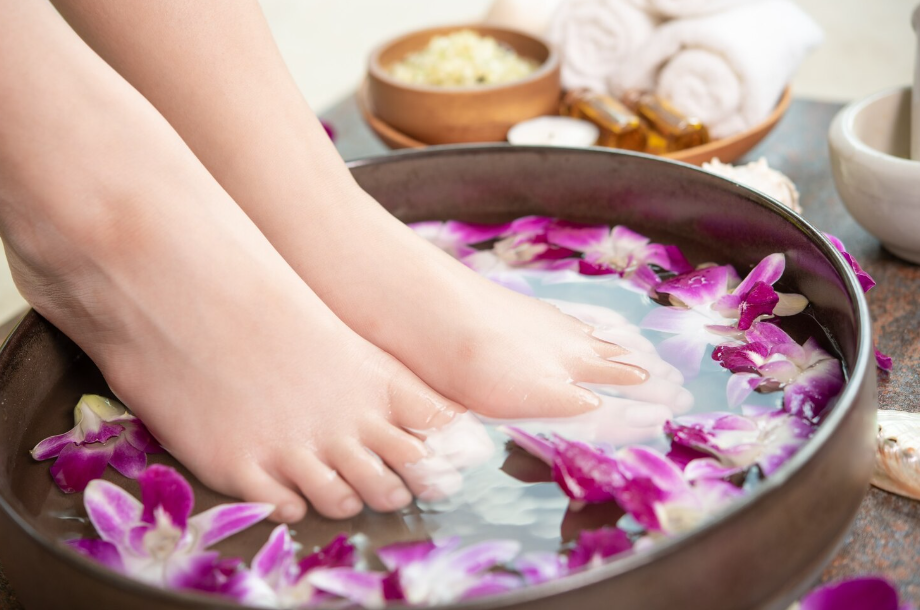
Ionic foot detox involves soaking your feet in a water basin filled with a specialized electrolyte solution while a low-level electric current runs through it. This method is thought to support the body’s natural processes through the feet. Here’s how the session typically breaks down:
- Ionization: The electric current creates an ionic field in the water.
- Osmosis: Ions are believed to interact with the body through the feet.
- Relaxation: Many clients report feeling calm and refreshed during and after the process.
- Color Change: The water may shift color during the session, which practitioners attribute to the therapy process.
Benefits of Ionic Foot Detox
People who try ionic foot detox often report feeling deeply relaxed and experiencing a general sense of improved well-being afterward. Many clients say the process leaves them feeling lighter and more balanced. Some have mentioned feeling more energized, having lower stress levels, and even sleeping better after regular sessions. Others appreciate the therapy’s quiet, meditative quality as a way to unwind from daily life. While personal experiences vary, the relaxation benefits alone make it a worthwhile option for many people looking to add something new to their wellness routine.
Scientific Evidence and Studies
Scientific research on ionic foot detox is still developing, and the wellness community continues to study its potential. Here’s what to keep in mind when looking at the current state of research:
- Growing Interest: More researchers are paying attention to alternative wellness therapies, including ionic foot detox.
- Early Findings: Some preliminary studies suggest participants report positive experiences after sessions.
- Room for Growth: As with many holistic therapies, more comprehensive studies will help us better understand the full range of benefits.
- Personal Experience: Many people find value in the therapy based on how it makes them feel, regardless of where the research currently stands.
Potential Risks and Side Effects
When it comes to safety, ionic foot detox is generally considered low-risk for most people. That said, a few things are worth knowing before your session. Some people with sensitive skin may experience mild irritation from the solution, so letting your practitioner know about any allergies ahead of time helps. Water temperature should stay comfortable throughout the session to avoid any discomfort. If you have specific health conditions, such as diabetes or circulation issues, it’s a good idea to check with a healthcare provider beforehand. Most people complete sessions without any issues and leave feeling relaxed and refreshed.
Final Verdict: Does It Work?
After looking at everything, here’s where things stand on ionic foot detox:
- Relaxation Benefits: Many people genuinely feel more relaxed and balanced after sessions.
- Holistic Appeal: The therapy fits well into a broader wellness routine focused on self-care.
- Personal Results: Individual experiences tend to be positive, even as formal research catches up.
- Low Commitment: It’s a non-invasive, low-risk way to try something new for your wellness journey.
The bottom line? Ionic foot detox offers a calming experience that many clients genuinely enjoy. While scientists continue studying its full effects, plenty of people find real value in adding it to their self-care routine.
Related Topics:

by Michael Riippa | Mar 18, 2026
Your body gets rid of metabolic waste and extra fluids through organs like the liver, kidneys, and lymphatic system – that’s drainage. Detox is different – it breaks down harmful stuff into compounds your body can actually get rid of safely.
These processes team up, but they’re not identical, and knowing the difference matters way more than most people think. Drainage comes first before any real detox can happen. If your drainage pathways are clogged up, detox becomes pretty much impossible – which is why any quality wellness center in Tomball, TX, will focus on drainage before jumping into detox protocols.
How Drainage and Detox Actually Work
So here’s the thing: people use these terms interchangeably all the time, but they’re not the same process.
Drainage is what your body naturally does to remove cellular debris, excess hormones, and metabolic byproducts. Your kidneys filter blood and push waste out through urine. Your liver processes everything from alcohol to medications. The lymphatic system collects fluid and cellular junk, then routes it through lymph nodes for filtering. Your skin even gets in on the action by releasing certain compounds through sweat.
Detox, on the other hand, is more about neutralizing harmful substances that have built up over time. We’re talking about environmental pollutants, chemicals from processed foods, heavy metals… that kind of stuff. The body handles this through chemical reactions such as oxidation, reduction, and hydrolysis, which break down toxins into less harmful forms that can then be flushed out. One clears the pipes. The other cleans up the mess inside them.
Why Your Drainage Pathways Matter
When your drainage systems are sluggish, waste starts piling up. And that’s when things get uncomfortable.
The lymphatic system doesn’t have a pump like your heart, so it relies on movement and muscle contraction to keep fluid circulating. If you’re sedentary most of the day (guilty, sometimes), lymph can pool and slow down. This contributes to that puffy, heavy feeling some people notice in their limbs.
Your liver performs around 500 functions, including filtering roughly 1.4 liters of blood per minute. When it’s overwhelmed or undersupported, the downstream effects show up in your energy levels, skin, and digestion. The kidneys process about 200 quarts of blood daily to produce around 2 quarts of urine, so hydration directly impacts how well they perform.
Naturopathic practitioners and functional medicine doctors often emphasize drainage support before starting any intensive cleansing protocol. The logic makes sense: if your exit routes are congested, stirring up more toxins just creates a traffic jam.
The Actual Differences Between These Processes
Let’s be clear: drainage is not the same as detoxing. They work in tandem, but confusing them can actually undermine your results.
Drainage focuses on keeping elimination pathways open and functioning. It’s maintenance work, essentially. You’re supporting the organs responsible for removing waste from your system regularly. Think of it like keeping your home’s plumbing clear so water flows freely.
Detoxification goes after specific harmful compounds that have accumulated in tissues. This process requires more active intervention, whether through dietary changes or targeted supplements. The body uses enzymatic pathways, primarily in the liver, to transform fat-soluble toxins into water-soluble compounds that can be excreted through urine or bile.
Here’s where it gets interesting: you can’t really detox effectively if drainage is impaired. If your lymphatic system is stagnant or your liver is already maxed out, pushing more toxins into circulation just recirculates them. This is why drainage has to come first. Open up those pathways, get things moving, and then your body has somewhere to send the toxins once they’re mobilized. Many integrative health practitioners build their protocols around this exact sequence for good reason.
How to Support Your Body’s Natural Cleansing
Hydration is probably the simplest intervention, and it’s free. Water supports kidney filtration, keeps lymph moving, and helps maintain regular bowel movements. Most adults need somewhere between 2 and 3 liters daily, though activity level and climate affect this.
Movement matters more than people realize. Even a 20-minute walk gets your lymphatic system pumping. Rebounding (that mini-trampoline thing) has gained popularity specifically because the up-and-down motion stimulates lymphatic flow. Dry brushing is another technique that proponents claim supports lymphatic drainage, though the research on this is limited.
Diet plays a role, too, obviously. Fiber binds to toxins in the gut and helps escort them out of the body. Cruciferous vegetables like broccoli, cauliflower, and Brussels sprouts contain compounds that support liver detoxification pathways. Adequate protein intake provides the amino acids needed for phase II liver detoxification.
Stress management sounds unrelated, but chronic stress diverts resources away from maintenance functions like drainage and detox. Your body prioritizes survival over housekeeping when cortisol stays elevated.
What Proper Drainage and Detox Can Do For You
When these systems run smoothly, the effects tend to show up in ways you can actually feel.
Reduced inflammation is one of the more noticeable changes. When the lymphatic system clears waste efficiently, there’s less buildup, which triggers fewer immune responses. Some people report improved joint comfort and less puffiness.
Energy levels often improve because your body isn’t working overtime to manage accumulated waste. Skin tends to clear up since it’s not compensating as a secondary elimination route. Digestion frequently becomes more regular.
Weight management becomes easier for some people, though this isn’t about rapid weight loss. It’s more than your body processes; it’s eliminated more efficiently when these pathways are optimized.
The caveat here: individual results vary significantly based on your starting point, existing health conditions, and how consistently you support these processes. Anyone with a medical condition should work with a qualified healthcare provider before starting any intensive protocols.
Putting It Into Practice
The approach that works best treats drainage and detox as complementary rather than interchangeable.
Start by supporting drainage pathways: stay hydrated, move daily, eat enough fiber, and manage stress where you can. Give this a few weeks before adding anything more aggressive. Remember, drainage opens the doors. Detox takes out the trash. The order matters.
If you want to take it further, consider working with a naturopathic doctor or functional medicine practitioner who can assess your specific situation. They can recommend targeted support based on testing rather than guesswork.
The goal isn’t perfection. It’s giving your body what it needs to do its job effectively. These systems evolved over millions of years; they’re remarkably capable when we stop getting in their way.
Contact Us
Looking to improve your wellness with holistic, natural health services? Woodlands Natural Health is here to help you begin your healing journey.
Phone: 936-224-4948
Address: 25420 Kuykendahl Rd., Suite D100 Tomball, TX 77375
Hours (By Appointment):
- Monday, Tuesday, Thursday: 9 am – 6 pm
- Wednesday: 9 am – 5 pm
- Friday: 9 am – 4 pm
- Saturday & Sunday: Closed
Website: Visit woodlandshealth.org for more details and to access their contact form. Whether you want to schedule a consultation or learn more about their therapies, give them a call or use the website form to get in touch.
Related Topics:
