

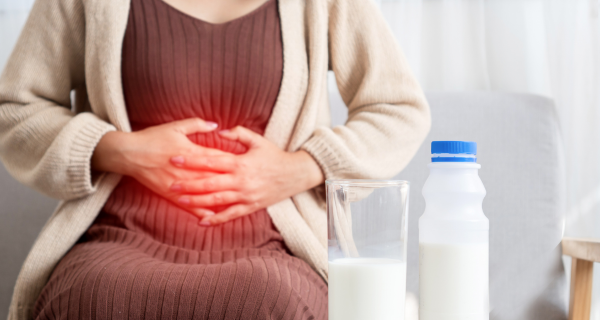
Bloating is one of the most common digestive complaints and one of the most frustrating.
You may wake up feeling comfortable and notice that your stomach gradually becomes larger, tighter, or uncomfortable as the day goes on.
You may find yourself asking:
“Why am I so bloated?”
“Why does my stomach swell after I eat?”
“How can I get rid of bloating?”
For some people, bloating happens occasionally after a large meal. For others, a bloated stomach can become a recurring problem that affects how they eat, sleep, move, and feel throughout the day.
If you have ever searched “why am I so bloated I look pregnant,” you know how frustrating abdominal swelling can feel.
But bloating is more than simply a stomach that looks larger.
Bloating is a signal from the body.
To understand how to get rid of bloating, it can be helpful to understand what may be happening underneath the symptom.
What Is Bloating?
So, what is bloating?
Bloating is a sensation of fullness, pressure, tightness, or swelling in the abdomen. Some people experience a feeling of trapped gas, while others notice visible abdominal distension.
A bloated stomach may feel:
- full
- tight
- heavy
- uncomfortable
- swollen after eating
Bloating can have many different contributors, including gas, constipation, eating habits, certain foods, digestive function, stress, and changes in the gut environment.
This is why there is not always one answer to what helps with bloating.
The better question may be:
What is contributing to my bloating?
What Causes Bloating?
There is no single cause of bloating.
Your digestive system is constantly interacting with food, fluids, microorganisms, hormones, immune signals, and the nervous system.
When one part of this process changes, you may notice symptoms such as gas, abdominal pressure, constipation, or stomach swelling.
Gas and Digestion
Gas is one common contributor to bloating.
Gas can come from swallowed air as well as the normal breakdown of certain carbohydrates by bacteria in the digestive tract.
Eating quickly, drinking carbonated beverages, eating very large meals, and consuming foods that your individual digestive system does not tolerate well may contribute to digestive discomfort.
Constipation
Constipation can also contribute to a bloated stomach.
When bowel movements are infrequent or difficult, stool remains in the digestive tract for longer periods of time. This can contribute to pressure, fullness, and abdominal swelling.
If your bloating regularly occurs alongside constipation or changes in bowel habits, this is an important pattern to pay attention to.
Food Triggers
Certain foods can cause more gas or digestive discomfort in some people.
Potential triggers may include:
- carbonated beverages
- very large meals
- highly processed foods
- certain high fiber foods
- sugar alcohols
- foods an individual does not tolerate well
However, this does not mean that everyone with bloating needs to eliminate these foods.
Your digestive response is individual.
Instead of immediately removing multiple foods from your diet, paying attention to patterns can provide more useful information.
Your Gut, Brain, and Nervous System Are Connected
One of the most important connections to understand when looking at bloating is the relationship between your gut and brain.
Your digestive system and brain are constantly communicating.
This communication happens through several pathways, including the nervous system, hormones, immune signals, and other biological processes.
This is often referred to as the gut brain axis.
The nervous system helps regulate many aspects of digestion, including movement through the digestive tract and how the brain interprets sensations coming from the gut.
This means that your digestive system does not operate independently from the rest of your body.
How Stress Can Affect Digestion
When you experience stress, your nervous system changes the way your body responds.
Your body becomes focused on adapting to the challenge in front of you.
During periods of ongoing stress, this can influence digestive function and how strongly you experience sensations such as fullness, pressure, or discomfort.
This may explain why some people notice more bloating during stressful periods.
You might even notice a pattern:
More stress → more digestive discomfort → more bloating.
This does not mean the symptoms are “all in your head.”
The gut and brain are physically connected, and the nervous system plays an important role in communication between them.
Your Gut and Immune System Are Connected Too
The digestive system is also closely connected to the immune system.
The gastrointestinal tract is constantly interacting with food, microorganisms, and substances entering the body.
The gut microbiome also plays an important role in the digestive environment.
Changes in the gut environment can influence digestion and gas production, while the immune system helps regulate the body’s response to what is happening within the digestive tract.
This is one reason why digestive wellness can involve more than simply changing what you eat.
At Woodlands Natural Health, gut health, immune health, nervous system regulation, and other body systems are considered as interconnected areas of wellness rather than completely separate systems.
Digestion, Nutrition, and Energy
Digestion is how your body breaks food down and makes nutrients available for use.
When digestion is uncomfortable, it can affect eating patterns, food choices, nutrient intake, and energy.
This creates another important connection:
Food → digestion → nutrient availability → energy and whole body function.
This does not mean that every case of bloating is caused by poor nutrition.
It means nutrition is one piece of a much larger picture.
What Should You Pay Attention To?
If you regularly experience bloating, start looking for patterns rather than focusing only on how swollen your stomach looks.
Pay attention to:
When the Bloating Happens
Does it happen immediately after eating?
Several hours later?
Mostly at night?
Does it get worse as the day goes on?
What You Ate
Notice whether certain foods, portions, or combinations seem to be associated with your symptoms.
Your Bowel Movements
Changes in frequency, consistency, or difficulty passing stool may provide important clues.
How Quickly You Eat
Eating quickly can increase the amount of air you swallow and may make meals less comfortable.
Your Stress Levels
Do you notice more bloating during stressful weeks?
Your Sleep
Poor sleep can affect many aspects of whole body regulation, including how your body responds to stress.
Other Symptoms
Pay attention to other changes such as digestive discomfort, fatigue, changes in appetite, skin concerns, or changes in bowel habits.
A simple food and symptom journal can help you identify patterns that may otherwise be difficult to notice.
Instead of only asking:
“How do I get rid of bloating?”
you can begin asking:
“What is my body responding to?”
How to Reduce Bloating Naturally
Once you understand your individual patterns, there are several simple things you can try at home.
1. Slow Down When You Eat
Give your body time to process your meal.
Eat slowly, chew thoroughly, and avoid rushing through meals whenever possible.
2. Take a Walk After Eating
Gentle movement can support normal gastrointestinal motility.
A short walk after a meal can be an easy way to stay active while supporting comfortable digestion.
3. Stay Hydrated
Adequate hydration supports digestion and regular bowel movements.
If constipation is contributing to your bloating, hydration can be especially important.
4. Reduce Carbonated Drinks
Carbonated beverages can introduce additional gas into the digestive tract.
If you frequently experience bloating, try reducing carbonated drinks and notice whether your symptoms change.
5. Pay Attention to Portion Size
Even foods that you normally tolerate well can feel different when eaten in very large quantities.
Instead of focusing only on what you eat, pay attention to how much and how quickly you eat.
6. Support Your Nervous System
Because the gut and nervous system communicate continuously, creating a calmer environment around meals may be helpful.
Try:
- taking a few slow breaths before eating
- sitting down rather than eating while rushing
- getting consistent sleep
- taking regular movement breaks
- practicing relaxation techniques
- making time for recovery during stressful days
Sometimes supporting digestion begins with supporting the nervous system.
How to Reduce Bloating Quickly
If you are looking for how to reduce bloating quickly or what relieves bloating fast, gentle strategies may help temporarily.
Walking, drinking water, avoiding additional carbonated drinks, eating slowly, and giving your digestive system time to process a meal may help with occasional discomfort.
But if bloating keeps returning, constantly looking for a quick fix may not solve the bigger issue.
The more important question becomes:
Why does the bloating keep coming back?
Can Wellness Therapies Help Support Digestive Wellness?
When bloating is recurring, some people want to look beyond diet and lifestyle changes.
Because digestive symptoms can involve several interconnected systems, a personalized wellness approach may consider the gut, nervous system, immune system, stress patterns, nutrition, and other aspects of whole body wellness.
BioScan SRT
BioScan SRT is a non invasive wellness technology that Woodlands Natural Health describes as evaluating the body’s response to different stressors.
These may include food sensitivities, environmental factors, chemicals, emotional stress patterns, and other physical or biological stressors. The scan provides a personalized report that practitioners can use to better understand individual response patterns.
For someone experiencing recurring digestive discomfort, this can provide another perspective when trying to understand individual patterns rather than assuming every person has the same trigger.
Lymphatic Drainage
The lymphatic system plays an important role in fluid movement and immune function.
Woodlands Natural Health offers lymphatic drainage as part of its wellness and detoxification services.
For individuals who experience bloating together with feelings of fluid retention or swelling, lymphatic support may be considered as one component of a broader wellness approach.
HOCATT Wellness Therapy
Woodlands also offers HOCATT ozone sauna therapy as part of its wellness services. It is presented as a non invasive approach supporting circulation, detoxification, relaxation, and overall wellness.
These therapies should not be viewed as a universal solution for bloating.
The right approach depends on what may be contributing to the individual’s symptoms.
Why Looking at the Bigger Picture Matters
If you temporarily reduce bloating but it keeps coming back, it may be worth looking deeper.
Your digestive system does not work alone.
The gut communicates with the brain.
The nervous system influences digestion.
The gut interacts with the immune system.
Nutrition provides the raw materials the body needs to function.
Sleep and stress influence how the body adapts.
The microbiome interacts with the digestive environment.
This is why recurring bloating can sometimes require a more complete look at the body rather than focusing on the stomach alone.
At Woodlands Natural Health, the philosophy is to look beyond individual symptoms and consider the systems and stressors that may be influencing how the body functions.
When Should You Look Deeper Into Bloating?
Occasional bloating is common.
However, persistent, severe, or painful bloating should not simply be ignored.
Talk with a qualified healthcare professional if bloating is frequent, worsening, or accompanied by symptoms such as unexplained weight loss, vomiting, blood in the stool, fever, significant changes in bowel habits, or severe abdominal pain.
A persistent bloated stomach can have many possible causes, so appropriate medical evaluation is important when symptoms are significant or ongoing.
Your Body May Be Giving You a Signal
The fastest way to get rid of bloating is not always another quick fix.
Sometimes the more useful question is:
“What is my body responding to?”
Bloating can be influenced by digestion, food, bowel habits, stress, the nervous system, the gut environment, and other aspects of whole body wellness.
Understanding those connections can help you move from simply managing the symptom to understanding the bigger picture.
Ready to Take a Deeper Look?
If bloating has become a regular part of your life, Book your Free Discovery Call to learn more about the Woodlands Natural Health’s personalized approach to your digestive and whole body wellness.