
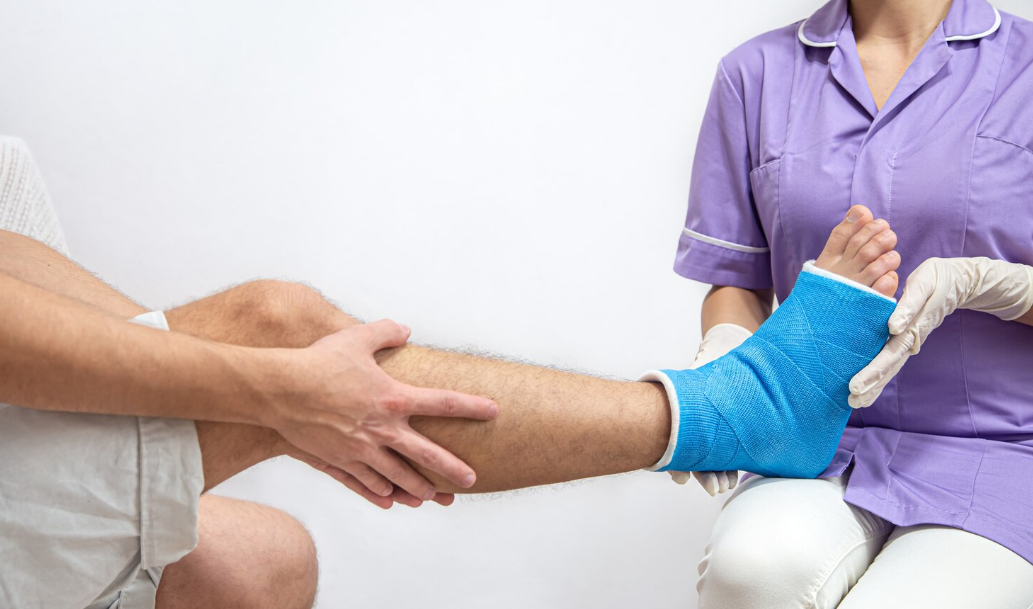
When you get hurt, the first thing on your mind is how to bounce back quickly. The body actually responds best when a few things are done together rather than one at a time. Sleep matters a lot; it’s when tissues repair themselves. Eating well gives your cells the fuel they need, and gentle rehab exercises make sure you’re healing without going backward. A local wellness center in Tomball, TX, can really help guide this process.
Healing speed depends on more than rest. Most people don’t think about the little things until they’re stuck on the couch. True rest isn’t just lying there; it’s deep, quality sleep that lets your body focus on fixing what’s broken. Even small tweaks, like timing your meals or moving carefully, can make a difference.
The Foundation: Rest and Sleep Quality
Getting adequate rest after an injury isn’t negotiable. During sleep, your body releases growth hormone and increases protein synthesis, both critical for tissue repair. This process happens most efficiently when you’re not forcing your injured area to work overtime, dealing with daily stresses.
Sleep quality matters more than just quantity here. Deep sleep phases allow your body to focus completely on healing rather than managing the constant demands of staying active. Pushing through pain or returning to regular activities too quickly can actually set back recovery by weeks.
The key is listening to what your body’s telling you – that nagging discomfort isn’t just an inconvenience; it’s your healing system asking for more time and energy.
Strategic Nutrition for Repair
Your healing process runs on fuel, and not all foods provide the same octane level for recovery. Protein becomes the star player since it supplies amino acids needed for rebuilding damaged tissue. Think lean meats, fish, eggs, and plant-based options like lentils.
Anti-inflammatory foods can help reduce the swelling that often slows healing. Fatty fish rich in omega-3s, berries packed with antioxidants, and leafy greens loaded with vitamins all support your body’s natural repair mechanisms.
Vitamin C helps with collagen production – that’s the stuff that holds your tissues together. Citrus fruits, bell peppers, and strawberries are solid choices. Zinc, found in nuts and seeds, plays a role in immune function and wound healing.
Hydration: The Forgotten Accelerator
Water does more heavy lifting in recovery than most people realize. It transports nutrients to injured areas, helps remove metabolic waste, and maintains the fluid balance needed for optimal cellular function.
Dehydration can actually slow down healing because your body can’t efficiently deliver the raw materials needed for repair. Aim for 8-10 cups daily, more if you’re dealing with inflammation or doing rehabilitation exercises.
Fresh fruits and vegetables contribute to your fluid intake while providing recovery-supporting nutrients. It’s a two-for-one deal that your healing body will appreciate.
Professional-Guided Rehabilitation
Rehabilitation exercises, when properly guided by a healthcare professional, can actually speed up healing rather than hinder it. The right movements promote blood flow to injured areas, prevent stiffness, and gradually restore function without causing re-injury.
This isn’t about pushing through pain or forcing progress. A skilled physical therapist can design a program that works with your body’s healing timeline, progressively increasing challenge as tissues strengthen.
Range of motion exercises, controlled strengthening movements, and balance training all serve different purposes in the recovery process. The key is having someone who understands tissue healing guide these decisions.
Smart Pain and Swelling Management
Managing pain and swelling effectively creates better conditions for healing. Ice therapy during the first 48-72 hours can reduce inflammation and provide relief. After that initial period, alternating between cold and heat might be more beneficial.
Nonsteroidal anti-inflammatory drugs like ibuprofen can help, but they should be used strategically and not as a long-term solution. Always follow dosage recommendations and consult with healthcare providers about the best approach for your specific situation.
Pain management isn’t about eliminating all discomfort – some level of sensation helps you understand your body’s limits and prevents re-injury.
Maintaining General Fitness
Staying active in pain-free areas helps maintain overall cardiovascular health and prevents the deconditioning that can slow recovery. If you’ve injured your ankle, upper body exercises might still be appropriate. A shoulder injury doesn’t necessarily sideline all lower-body movement.
The goal is to maintain circulation, muscle strength in unaffected areas, and mental well-being without compromising the injured region. This balanced approach prevents the secondary problems that can develop when you become completely sedentary.
Avoiding Common Recovery Mistakes
The biggest mistake in injury recovery? Pushing too hard, too soon. That weekend warrior mentality that might have contributed to the injury in the first place can definitely sabotage the healing process.
Progressive loading is the name of the game. Your tissues need time to adapt to increasing demands. Jumping back into full activity before you’re ready often leads to setbacks that extend recovery time beyond the original timeline.
The Mind-Body Recovery Connection
Your mental approach to healing influences physical outcomes more than you might expect. Stress, anxiety, and negative thinking can actually slow tissue repair by affecting hormone levels and immune function.
Relaxation techniques like deep breathing, gentle meditation, or even just spending time in nature can support the healing process. When your nervous system is calm, your body can dedicate more resources to repair rather than stress management.
Recovery isn’t just about the injured area – it’s about creating optimal conditions throughout your entire system for healing to occur efficiently.
Contact Us
Looking to improve your wellness with holistic, natural health services? Woodlands Natural Health is here to help you begin your healing journey.
Phone: 936-224-4948
Address: 25420 Kuykendahl Rd., Suite D100 Tomball, TX 77375
Hours (By Appointment):
- Monday, Tuesday, Thursday: 9 AM – 6 PM
- Wednesday: 9 AM – 5 PM
- Friday: 9 AM – 4 PM
- Saturday & Sunday: Closed
Website: Visit woodlandshealth.org for more details and to access their contact form. Whether you want to schedule a consultation or learn more about their therapies, give them a call or use the website form to get in touch.
Related Topics: