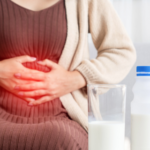

The holiday season is a time for family gatherings, festive meals, and favorite foods. But after a big Thanksgiving dinner or a few days of holiday celebrations, you may notice that your stomach feels unusually full, tight, or uncomfortable.
Maybe you feel bloated after eating, experience more gas than usual, or find yourself dealing with digestive discomfort that lasts longer than expected. While occasional bloating is common, recurring symptoms can be a reason to pay closer attention to your gut health.
Your digestive system responds to what you eat, how you eat, your daily routine, and several other factors. Understanding these connections can help you recognize patterns and make more informed decisions about your digestive wellness.
At Woodlands Natural Health in The Woodlands, TX, we see gut health as part of a bigger picture. Let’s explore what can contribute to holiday bloating, what your body may be telling you, and what you can do about it.
Why Do You Feel Bloated After Eating?
Bloating is the sensation of fullness, pressure, or swelling in the abdomen. Sometimes your stomach may visibly look larger, while other times you simply feel uncomfortable or unusually full.
After a holiday meal, several factors can contribute to this feeling.
Larger portions: Eating more than usual can leave you feeling uncomfortably full, particularly when meals are rich or take longer to digest.
Eating too quickly: When you eat quickly, you may swallow more air. This can contribute to gas and abdominal discomfort.
Rich and fatty foods: Holiday meals often include creamy dishes, fried foods, heavy sauces, and desserts. High-fat meals take longer to leave the stomach, which keeps that heavy, full feeling going.
Carbonated drinks and alcohol: Fizzy drinks introduce carbon dioxide into the digestive tract, which turns into gas. Alcohol can irritate the gut lining and slow digestion, making bloating worse.
Changes in your regular routine: Traveling, eating at different times, reduced physical activity, and changes in sleep all affect the rhythm your digestive system relies on. During the holidays here in The Woodlands, routines tend to shift, and your gut notices.
Food sensitivities or digestive conditions: Lactose intolerance, constipation, irritable bowel syndrome (IBS), SIBO, and other digestive conditions can all contribute to bloating after eating. If you notice patterns with specific foods, it is worth investigating.
An occasional episode of bloating does not automatically mean something is wrong. However, when discomfort becomes frequent, understanding the underlying pattern matters.
Signs Your Bloating Deserves a Closer Look
Your digestive symptoms can offer useful information about how your body responds to different foods and routines. Instead of focusing only on the feeling of bloating, consider the bigger picture.
Timing Matters
Do you feel bloated immediately after eating, or does the discomfort develop several hours later? Bloating that starts right away may point to how fast you are eating or how much air you are swallowing. Bloating that builds hours later can suggest fermentation in the gut, which happens when bacteria break down food your small intestine did not fully absorb. This is a hallmark of conditions like SIBO (small intestinal bacterial overgrowth).
Gas, Constipation, and Bowel Changes
Bloating does not happen in isolation. Some people also experience excessive gas, constipation, diarrhea, or alternating bowel habits. Each of these adds a piece to the puzzle. Constipation, for example, means food waste is sitting in the colon longer, producing more gas and pressure. Diarrhea can point to malabsorption or inflammation. These are clues, not just symptoms to manage.
Feeling Full After Small Portions
Feeling full too quickly, a sensation called early satiety, can be associated with slow stomach emptying (gastroparesis), indigestion, or inflammation in the upper digestive tract. If this happens regularly, it is worth investigating rather than assuming you ate too much.
The Stress Connection
Your brain and digestive system communicate constantly through what is known as the gut-brain axis. When you are stressed, your body shifts resources away from digestion. Stomach acid production can drop, gut motility can slow down, and the balance of bacteria in your intestines can shift.
This is one reason digestive discomfort can become more noticeable during emotionally demanding periods. It is also why supporting your nervous system is not separate from supporting your gut. They are part of the same conversation.
Occasional vs. Persistent
Occasional bloating after a large holiday meal is normal. Experiencing abdominal discomfort several days a week is not. Pay attention to how frequently symptoms occur, how long they last, and whether they are becoming more intense.
Persistent bloating, unexplained weight loss, blood in your stool, vomiting, or severe abdominal pain should not be dismissed as ordinary holiday discomfort. Seek medical evaluation when these symptoms occur.
How to Relieve Bloating Naturally
You do not need an extreme cleanse or restrictive eating plan to feel better. Often, paying attention to everyday habits makes a real difference.
Slow down when eating. Your stomach needs time to signal to your brain that it is full. That signal takes about 20 minutes. Chewing thoroughly and putting your fork down between bites helps you eat less and digest better.
Stay hydrated. Water helps move fiber through the digestive tract and softens stool, preventing constipation. The warm, humid climate in The Woodlands and North Houston makes hydration especially important year-round. Aim for water between meals rather than large amounts during meals, which can dilute digestive enzymes.
Return to regular meals. The holiday pattern of skipping breakfast and eating one enormous dinner overwhelms your digestive capacity. Your stomach and intestines work better with consistent, moderate portions spread through the day.
Include fiber gradually. Fiber feeds the beneficial bacteria in your gut and promotes regular bowel movements. But increasing fiber too quickly can temporarily increase gas and bloating because your gut microbiome needs time to adjust. Add it slowly over days, not all at once.
Move your body. Light movement after meals encourages peristalsis, the wave-like contractions that move food through your intestines. You do not need an intense workout. A 15-minute walk along the trails at George Mitchell Nature Preserve or the Waterway in The Woodlands is enough to make a difference.
Identify your personal triggers. Dairy, wheat, onions, garlic, beans, and certain fruits contain compounds (like FODMAPs) that some people have difficulty digesting. Rather than cutting foods randomly, it helps to work with someone who can guide you through an elimination process and prevent unnecessary restrictions. This is what a nutrition consultation is designed to do: help you understand what your body responds to and build a plan around your life, not a generic list.
These habits are a starting point. If bloating keeps returning despite healthy habits, the problem is usually deeper than what you ate yesterday.
What Happens Beneath the Surface: Why Bloating Keeps Coming Back
Persistent bloating is rarely just about food. Several systems in your body influence how your digestive tract functions, and when any of them falls out of balance, your gut is often the first place you notice.
Your Gut Microbiome
Your intestines contain trillions of bacteria, fungi, and other organisms that play a crucial role in digestion, immunity, and even mood. When this ecosystem becomes imbalanced, a condition sometimes called dysbiosis, food may ferment excessively, producing gas, bloating, and discomfort.
Dysbiosis can result from antibiotic use, a diet high in processed foods, chronic stress, infections, or environmental toxins. Restoring balance requires understanding what shifted it in the first place.
A BioScan SRT assessment can be a useful starting point for exploring potential stressors affecting your body, including nutritional and environmental factors. It is a non-invasive, frequency-based wellness assessment that provides information for discussion, not a medical diagnosis, but many of our clients find it opens a helpful conversation about where to focus.
Your Liver and Detoxification Pathways
Your liver processes everything you eat, drink, breathe, and absorb. It produces bile, which is essential for breaking down fats in your small intestine. When the liver is overburdened, whether from alcohol, medications, environmental toxins, or a heavy holiday diet, bile production can decrease, and fat digestion suffers. The result: bloating, heaviness, and sluggish digestion.
Your body has a built-in detoxification system involving your liver, kidneys, lymphatic system, and digestive tract. These systems work together, and when one is overloaded, the others compensate until they cannot keep up.
This is the principle behind Matrix Detox & Regeneration. Rather than a trendy “cleanse,” it supports the body’s existing detox pathways by addressing the connections between these systems. For some people, it is a meaningful step toward resolving the sluggish, heavy feeling that comes with chronic bloating.
The HOCATT ozone sauna works along similar lines. It combines steam, ozone, infrared heat, and PEMF in one session. The heat opens circulation, the ozone supports oxygenation, and the sweating itself is one of your body’s natural ways of clearing what it does not need. Many clients in The Woodlands use it after the holidays as a full-body reset.
Your Immune System and Gut Inflammation
About 70% of your immune system lives in your gut. When the gut lining becomes irritated or permeable (sometimes called “leaky gut”), your immune system can react to food particles and bacteria that would not normally cause problems. This can create a cycle of low-grade inflammation, food sensitivities, and digestive discomfort that is difficult to break.
Chronic infections, including Lyme disease, Epstein-Barr virus, mold exposure, and parasites, can also affect gut function and immune balance.
IV ozone therapy with UVBI is one approach that some people explore for immune wellness and circulation. It combines medical-grade ozone with ultraviolet blood irradiation in a single session. For people whose gut issues are connected to chronic infections or immune dysregulation, it can be part of a broader plan.
For more complex cases, EBOO therapy offers an advanced form of ozone support. It filters and ozonates the blood outside the body before returning it, and is typically explored by people dealing with Lyme, mold, or persistent immune challenges.
Nutrient Depletion
Chronic digestive issues can impair nutrient absorption. If your gut is inflamed or your intestinal lining is compromised, you may not absorb vitamins, minerals, and amino acids efficiently, even from a healthy diet. This can leave you feeling fatigued, foggy, and run down on top of the bloating.
IV infusion therapy delivers nutrients directly into the bloodstream, bypassing the digestive tract entirely. This can be helpful when absorption is compromised. A Myers’ Cocktail IV, for example, provides B vitamins, vitamin C, magnesium, and calcium in one session. Glutathione, the body’s most important antioxidant, supports liver function and cellular repair. These are not treatments for bloating, but they address a common consequence of chronic gut issues: your body not getting what it needs.
Your Nervous System
We mentioned the gut-brain connection earlier, but it deserves more attention. Your autonomic nervous system has two modes: sympathetic (“fight or flight”) and parasympathetic (“rest and digest”). Digestion only works well in parasympathetic mode.
When stress keeps your nervous system stuck in sympathetic mode, stomach acid drops, gut motility slows, and the conditions for bacterial overgrowth and fermentation improve. This is why some people who eat perfectly still bloat: the food is fine, but the nervous system is not letting the gut do its job.
Microcurrent neurofeedback works with the brain’s own electrical patterns to support nervous system regulation. It is non-invasive and gentle, used by adults and children alike. Many of our clients notice improvements in sleep, stress response, and overall calm, and when the nervous system settles, digestive patterns often follow.
Brain Harmony Therapy takes a complementary approach, combining synchronized light stimulation, immersive audio frequencies, and cranial electrotherapy stimulation (CES) to help the brain and nervous system slow down. For someone whose bloating gets worse with stress, addressing the nervous system is not a detour. It is part of the solution.
Your Lymphatic System
The lymphatic system is your body’s drainage network. It moves excess fluid, waste, and immune cells through your body. When the lymphatic system is sluggish, you may feel heavy, puffy, and swollen, and that feeling is sometimes confused with bloating.
True bloating (gas and distension in the digestive tract) and fluid retention (excess fluid in the tissues) are different things, but they can coexist, and many people experience both.
Lymphatic drainage with Deep Oscillation uses gentle tissue oscillations to support fluid movement. If your “bloating” feels more like puffiness, heaviness, or water retention rather than gas and pressure, it may be worth exploring whether your lymphatic system needs support.
Parasites: A Cause of Bloating That Often Gets Overlooked
Parasitic infections are more common than most people realize, and they can cause persistent bloating, gas, irregular bowel movements, fatigue, and food sensitivities. They are also one of the most underdiagnosed contributors to chronic gut problems.
If you have been dealing with gut issues that do not resolve with diet changes alone, parasites are worth investigating. At Woodlands Natural Health, we offer a parasite cleanse program as part of a guided approach to gut health. A free discovery call is a good way to find out if this applies to you.
Not Sure Where to Start?
Gut health can feel overwhelming because so many things can contribute to the same symptom. That is exactly why we take a whole-body approach rather than chasing one cause at a time.
If you want a focused starting point without committing to a full consultation, a detox consultation ($99) gives you a conversation with our team about your symptoms, your body’s detox needs, and a plan to move forward.
If you want the full picture, our comprehensive health consultation includes a detailed health history, an 8-minute non-invasive Check Medical Scan, and a personalized results review. It is where many of our clients in The Woodlands, Tomball, and North Houston start when they want real answers.
Or simply book a free discovery call and tell us what is going on. We will help you find the right first step.
When to Seek Medical Evaluation
Bloating is common, but certain signs should not be ignored. Consider seeking medical evaluation if you experience persistent or worsening bloating, unexplained weight loss, blood in your stool, frequent vomiting, or significant abdominal pain. Severe or sudden abdominal pain requires urgent medical attention.
Understanding what is happening is the first step toward making informed decisions about your digestive health.
Your Gut Health Is Part of Your Whole-Body Health
Feeling bloated after a holiday meal can happen to anyone. But when digestive discomfort becomes part of your regular routine, it deserves attention.
Your gut does not work in isolation. It is connected to your nervous system, your immune system, your liver, your lymphatic system, and your emotional well-being. Addressing only one piece while ignoring the rest is why so many people cycle through diets and supplements without lasting improvement.
At Woodlands Natural Health, our holistic and alternative medicine practitioners take time to understand how these systems connect in your body specifically. With consultations, advanced assessments, and 40+ therapies all in one place, we build a plan around what your body needs, not a generic protocol.
We are located at 25420 Kuykendahl Rd, Suite D100, Tomball, TX 77375, serving The Woodlands, Tomball, Spring, Magnolia, Conroe, and North Houston. Call us at (346) 643-4463 or book a free discovery call.
Let’s take a closer look at what your body is telling you.
This article is intended for educational and informational purposes only. It is not intended to diagnose, treat, cure, or prevent any disease or digestive condition.