
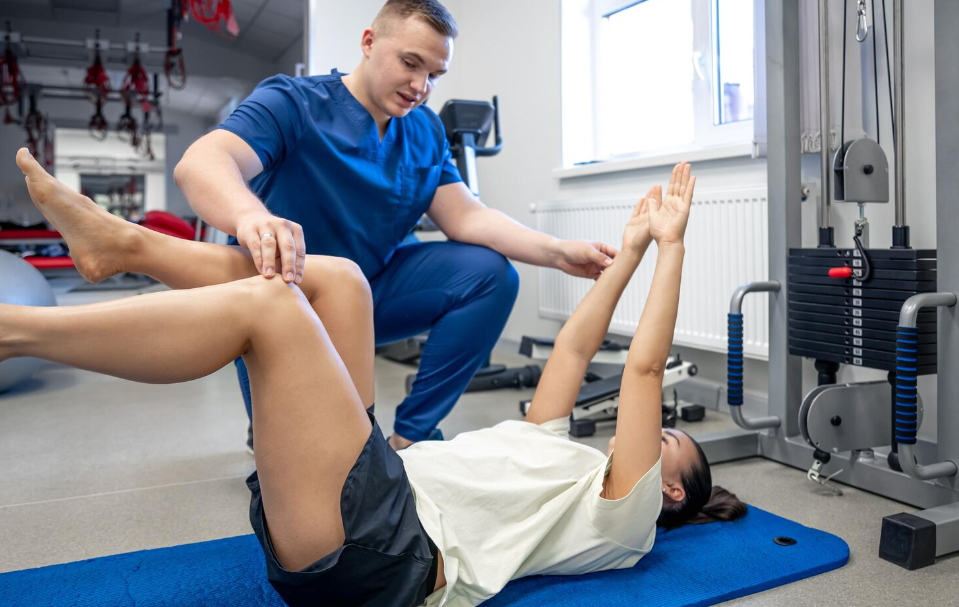
Recovering from a muscle injury can feel slow and frustrating. You want to get back to your normal routine, but your body isn’t always ready. Doing a few small things consistently really helps. Eating well, moving carefully, and getting proper rest make a bigger difference than most people think. Some folks even check in with an expert wellness center to make sure they aren’t overdoing it, and that kind of guidance can save a lot of headaches.
Even little things like changing how you sit at your desk or taking short stretching breaks count. It doesn’t feel dramatic day to day, but over a week or two, you notice a real difference. Paying attention and being consistent is more helpful than pushing yourself too hard.
Understanding Muscle Injury Types
Not all muscle injuries are the same, and that matters for how you manage them. Strains happen when the muscle fibers stretch too far and tear a bit. Sprains affect ligaments, the connective tissue between bones, and they can get stretched or torn. Contusions are basically bruises from direct hits.
Knowing what type you’re dealing with helps you respond appropriately and avoid making it worse. Understanding the injury also helps you plan recovery in a way that really works, instead of just guessing. It’s a bit like having directions; you know where to go and how to get there safely.
R.I.C.E. Method for Recovery
A method that’s worth remembering is R.I.C.E.: Rest, Ice, Compression, and Elevation. Rest gives the muscles a chance to start repairing themselves. Ice helps with swelling and dulls pain a little, while compression supports the injured area. Elevation helps fluids drain away from the injury, which also reduces swelling.
Doing these things regularly, especially in the first few days, gives your muscles a proper head start. It’s simple, but sticking with it consistently actually helps you get stronger sooner.
Importance of Rest and Sleep
Rest and sleep are when the real repair work happens. During deep sleep, your body releases hormones that help tissues rebuild and grow. Getting seven to nine hours a night and fitting in small rest breaks during the day gives your muscles the chance to catch up.
Pushing through exhaustion can slow progress and increase the risk of further injury. Making rest a core part of your recovery plan can have a noticeable impact. Over time, you’ll likely find that your body responds better when you prioritize quality sleep and adequate downtime.
Proper Nutrition for Healing
What you eat affects recovery more than most people realize. Protein helps rebuild muscle fibers, and anti-inflammatory foods like berries, nuts, and fatty fish calm swelling. Drinking enough water keeps everything working smoothly, and vitamins like C and zinc support collagen and overall tissue repair.
Even small changes, like adding a few extra vegetables or swapping soda for water, can help your body heal more efficiently. Balanced meals are like little repair kits for your muscles; you feed the healing process.
Gradual Return to Exercise
Going back to exercise slowly is important. Start with gentle movements, like walking or stretching, and pay attention to how your body feels. If something hurts, take a break and adjust. Gradually increase intensity as your muscles get stronger, and focus on proper form so you don’t reinjure yourself.
Warming up before moving and cooling down afterward also helps. Progress might feel slow, but every small step is meaningful and builds confidence as you regain strength.
Seeking Professional Guidance
Getting a bit of expert help makes all the difference. A physical therapist or sports medicine specialist can assess your injury, show exercises that fit your needs, and monitor progress. They might introduce techniques you wouldn’t think of on your own, and having that guidance can prevent setbacks.
Even occasional check-ins with a professional can make recovery feel smoother and safer. Knowing someone knowledgeable is watching over your recovery takes a lot of stress out of the process.
Related Topics: