
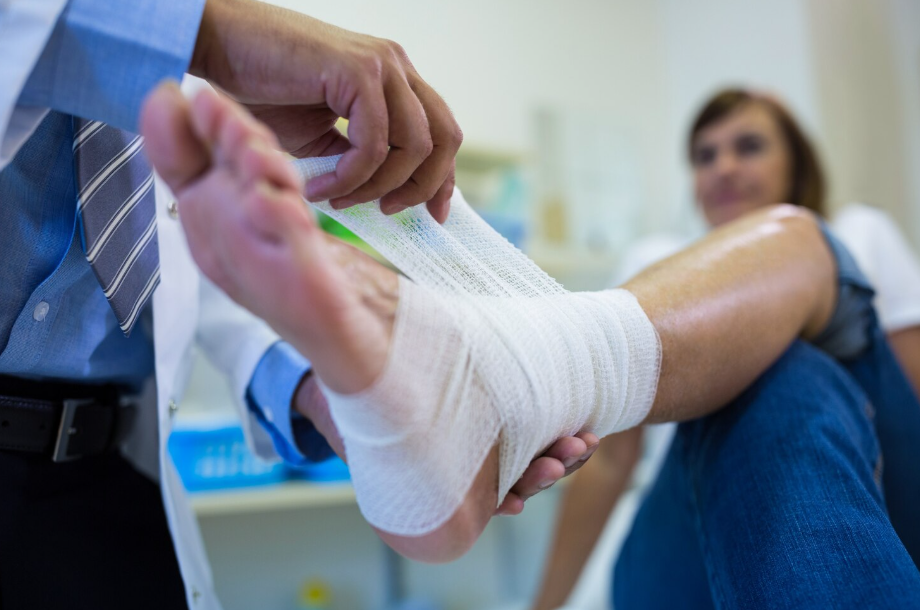
Recovering from an Achilles injury is unpredictable, you know. How long it takes depends on how serious the injury is, your age, overall health, and how closely you follow rehab. Mild injuries might heal in a few weeks, while more severe ones can take months.
Therapy, gradual activity, and paying attention to your body all play a part. Eating well, staying hydrated, and getting proper rest help too. Even visiting an integrative wellness center can give guidance on what exercises and care work best for your specific injury. You can’t just push through or hope it fixes itself.
Early stages usually involve controlling pain and swelling. Ice, rest, and gentle elevation are common, and they really do make a difference. Moving a little, when approved by a professional, helps prevent stiffness. It’s tempting to do too much too soon, but patience matters.
Factors Affecting Recovery Time
Not every Achilles injury is the same, obviously. How bad it is makes a huge difference. A small strain heals faster than a rupture. Your body’s own healing ability matters too. Some people seem to bounce back faster, while others drag a bit, even with the same care.
Doing exercises consistently really matters. Skipping or overdoing them can set you back. Age, previous injuries, and lifestyle choices also affect how long it takes. Mental patience counts too. Worrying about speed doesn’t help, honestly.
Typical Timeline for Healing
The timeline is more of a rough guideline. The first couple of weeks are usually about rest, ice, and gentle elevation. Then light stretching and easy exercises slowly come in to regain movement. It’s tempting to push too fast, but overdoing it can hurt.
After around six weeks, more focused rehab happens. Strength, flexibility, and functional movements come next. Some days feel like big progress; others are slow. That’s normal; you have to notice what your body tells you.
Different Stages of Recovery
Recovery usually happens in phases. First, you reduce pain and swelling. That’s mostly rest and careful care. It’s boring but necessary.
Next, controlled movement starts. Light stretches, tiny exercises, just testing the tendon. You notice little improvements, which are satisfying.
Functional rehab comes next. Walking, daily activities, and balancing work. Slowly retrain your tendon to handle normal forces again. It can feel frustrating, but small gains add up.
Finally, sport-specific or high-intensity work. Agility drills and targeted exercises to get back to full activity. Skipping steps can be risky, so take it slow.
Managing the Injury
Management mixes rest, therapy, and gradual return to activity. Rest is critical early on. Therapy strengthens the tendon and surrounding muscles. Moving gradually prevents stiffness and re-injury.
Supportive shoes or orthotics sometimes help. They stabilize the tendon during everyday activities; following guidance matters. Skipping advice or rushing can cause problems later.
Even small habits help. Sleep, nutrition, and pacing your activity all quietly make recovery smoother.
Strategies to Speed Up Recovery
Targeted exercises help, but slowly. Calf raises, heel drops, and ankle stretches build strength. Cross-training, like swimming, keeps fitness up without stressing the tendons too much.
Increasing intensity too fast can backfire. Little, steady progress usually wins. Rest and proper nutrition quietly support the body’s repair. The little things add up week by week.
Consistency is more important than speed. Even slow progress is real progress. Patience is the hidden part of recovery.
Monitoring Progress and Preventing Re-Injury
Pay attention to swelling, pain, and mobility. Your body gives signals; you have to notice.
Return to activity gradually. Start easy and increase slowly. Don’t ignore discomfort; it’s a warning.
Check-ins with a therapist or doctor help catch problems early. Small adjustments now save bigger setbacks later. Recovery is slow and messy, but careful monitoring really lowers the risk of re-injury.
Related Topics: