
Stem Cell Therapy: What You Should Know Before Considering Therapy
Stem cell therapy has been getting a lot of attention lately, and it makes sense why. The idea that your body might be able to repair itself using its own cells, or cells from other sources, sounds almost too good to be true. But there’s real science behind it, and regenerative medicine keeps advancing as researchers learn more about how stem cells actually work. Whether you heard about stem cell therapies from a friend, read about them online, or came across Tomball’s best wellness center offering these services, knowing the basics can help you make smarter choices about your health.
How Stem Cells Function in the Body
Stem cells are a bit different from other cells in your body. Most cells have a specific job. Skin cells protect you from the outside world, nerve cells transmit signals, and muscle cells help you move. Stem cells, on the other hand, have the ability to develop into many different cell types. They can divide and renew themselves over long periods, and under certain conditions, they can become specialized cells that perform specific functions. This is what makes them so interesting for medical applications. When damaged tissue needs repair, stem cells can potentially step in and help regenerate what has been lost or harmed. Your body actually uses this process naturally, though the capacity tends to decrease as you get older.
Different Types of Stem Cells and Where They Come From
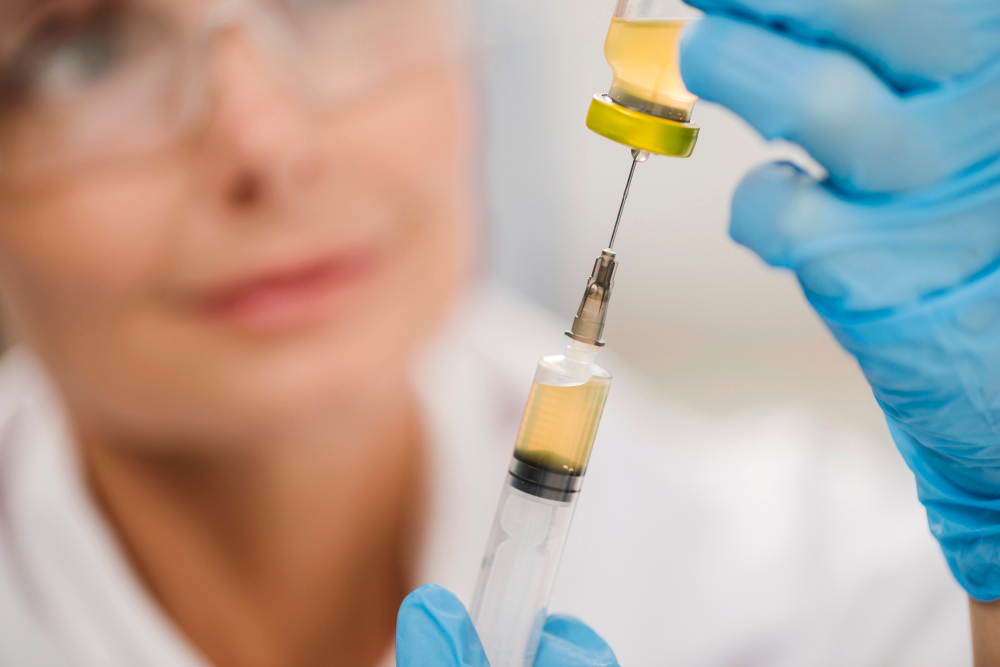
Not all stem cells are the same, and the differences matter quite a bit depending on what kind of therapy someone might be considering. Adult stem cells are found in small numbers in most tissues, including bone marrow and fat. These cells are more limited in what they can become compared to other types, but they still play a significant role in maintaining and repairing the tissue where they live. Mesenchymal stem cells, often sourced from adipose tissue or bone marrow, have become popular in regenerative medicine because they can differentiate into bone cells, cartilage, and fat cells. Then there are hematopoietic stem cells, which live in bone marrow and give rise to all the different blood cells your body needs. Bone marrow transplants have been used for decades to help patients with certain blood cancers and immune system disorders, and this procedure relies on these blood forming stem cells to rebuild a healthy blood supply.
Embryonic stem cells come from early stage human embryos and are considered pluripotent, meaning they can become almost any cell type in the body. This flexibility makes them powerful for research, but their use raises ethical questions that continue to spark debate. Induced pluripotent stem cells offer a workaround of sorts. Scientists figured out how to reprogram adult cells, like skin cells, back into a pluripotent state. This means researchers can study pluripotent stem cells without relying on human embryos, opening new doors for stem cell research and potential therapies. Perinatal stem cells, found in umbilical cord blood and amniotic fluid, represent another source that has shown promise in treating certain conditions.
What Stem Cell Therapy Aims to Accomplish
The goal behind most stem cell therapies is pretty straightforward, at least in concept. The idea is to introduce healthy stem cells into the body where they can promote tissue regeneration and help restore normal function to areas that have been damaged. People seek out these therapies for a wide range of issues, from joint pain and arthritis to more serious conditions like spinal cord injury or degenerative diseases. Some clinics offer stem cell injections directly into problem areas, hoping the cells will reduce inflammation and encourage healing. The theory is that by supplying the body with more stem cells, you give it extra resources to repair damaged or diseased cells that it might not be able to fix on its own.
That said, stem cell therapy is still an evolving field. Clinical trials are ongoing for many applications, and while some therapies have shown encouraging results, others remain experimental. This is where things get tricky and where you really need to pay attention before committing to anything.
Understanding FDA Approval and What It Actually Means
Here is something that often gets glossed over in marketing materials. The FDA has been very specific about which stem cell products have received approval. As of now, the only FDA approved stem cell products consist of blood forming stem cells, also called hematopoietic progenitor cells, derived from umbilical cord blood. These are approved for patients with disorders that affect blood production, such as certain blood cancers and immune system disorders. That is it.
No stem cell products have been approved for orthopedic conditions like osteoarthritis, tendonitis, back pain, hip pain, knee pain, or shoulder pain. No approvals exist for neurological disorders including multiple sclerosis, ALS, Parkinson’s disease, Alzheimer’s disease, or spinal cord injury. Cardiovascular conditions, lung diseases, and autoimmune disorders also fall outside the scope of any approved stem cell therapy. Many clinics offer stem cell injections for these conditions, but those therapies have not gone through the rigorous testing required for FDA approval. That does not necessarily mean they do not work, but it does mean the evidence is not yet strong enough to meet federal standards.
What to Consider Before Pursuing Therapy
If you are thinking about stem cell therapy, a few things are worth keeping in mind:
- Not all stem cell therapies are FDA approved, and some carry risks that are not fully understood yet
- The source of the stem cells matters, whether they come from your own body, a donor, or another source entirely
- Clinics vary widely in their protocols, expertise, and the evidence supporting their methods
- Legitimate providers should be transparent about what their therapies can and cannot do
- Asking about clinical trials and published research can help you gauge how established a particular therapy actually is
Do your homework. Ask hard questions. And be wary of anyone promising miracle results for conditions that even top researchers are still trying to figure out.
Supporting Your Body Through Holistic Approaches
While stem cell therapy grabs headlines, there are other ways to support your body’s natural healing processes that have been around for a while. Therapies like ozone therapy, IV nutrient infusions, PEMF therapy, red light therapy, and lymphatic drainage work to reduce inflammation, improve circulation, and give your cells the resources they need to function well. These approaches do not replace medical therapy when it is needed, but they can complement your overall wellness strategy.
At Woodlands Natural Health, the focus centers on therapies that work with your body rather than against it. Their approach combines functional medicine principles with supportive therapies designed to optimize how your systems operate. If you are exploring ways to feel better and support recovery, whether from chronic issues or just the wear and tear of daily life, understanding your options is the first step.
The Future of Regenerative Medicine
Stem cell research has come a long way, and the pace of progress does not seem to be slowing down. Scientists continue to study how stem cells develop, how they can be directed to become specific cell types, and how transplanted cells behave once they are introduced into the body. Questions about safety, like the potential for tumor formation or immune rejection, remain active areas of investigation. But the potential to treat diseases that currently have limited options keeps driving the field forward. As more clinical trials complete and more data becomes available, the picture of what stem cell based therapies can realistically accomplish should become clearer.
For now, stem cell therapy represents both genuine promise and plenty of hype. Sorting through the noise takes effort, but it is worth doing if you are serious about understanding what these therapies might offer. Approach the topic with curiosity, but also with a healthy dose of skepticism. Your health decisions deserve that level of care.
Other Services We Offer:
CALL 936-224-4948
Your healing journey begins with Woodlands Natural Health
Contact
+1 936-224-4948
25420 Kuykendahl Rd. Suite D100
Tomball, TX 77375
Hours
Mon, Tues, Thurs: 9AM-6PM
Wed: 9AM-5PM
Fri: 9AM-4PM
Sat: Closed
Sun: Closed
Directions
Disclaimer
Disclaimer: The content on this website, including but not limited to text, videos, images, and other material, is for informational purposes only and is not intended to replace the recommendations of a qualified healthcare professional. This website does not contain medical advice. Woodlands Natural Health and its staff does not diagnose, treat or cure any disease; nor do we provide medical advice. The information posted on this website or any social media associated with Woodlands Natural Health has not been reviewed or approved by the FDA. Woodlands Natural Health and its affiliates make no claims regarding the services, products, equipment, or procedures mentioned on this site or on linked websites. Please consult with your health practitioner before considering any service, therapy, or product. Never disregard professional medical advice or delay in seeking it because of something you have read on this website. Video and written success stories contained on this site are the sole experience of those individuals shown or having written them, and are not the opinions of Woodlands Natural Health. Never self-medicate or choose to discontinue taking medicine without discussing your medical care with your doctor. In compliance with the FTC guidelines, please assume that any links provided on this site are affiliate links in which a small commission is received. If an affiliate link is posted, it’s because our founder personally uses it, supports it, or would recommend it even without an affiliate link.